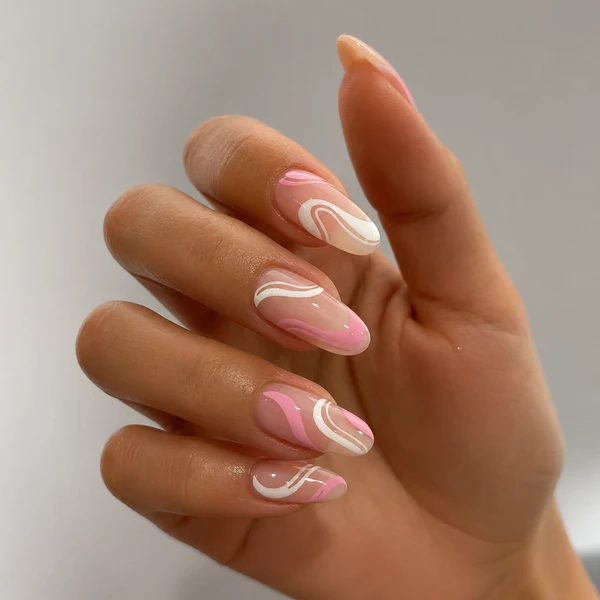
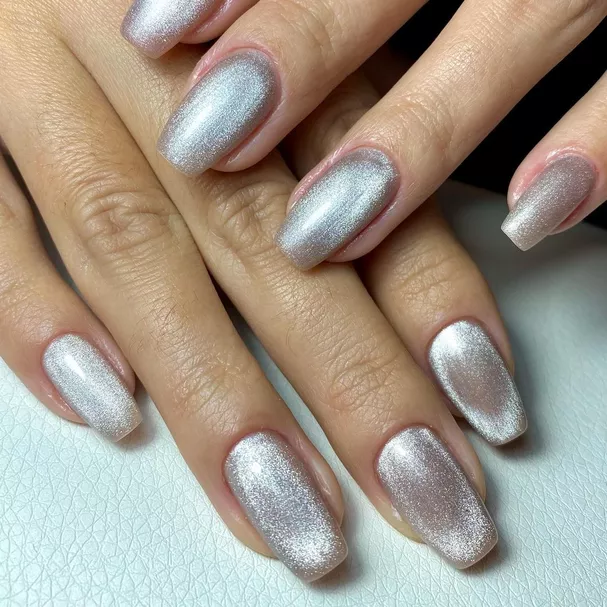
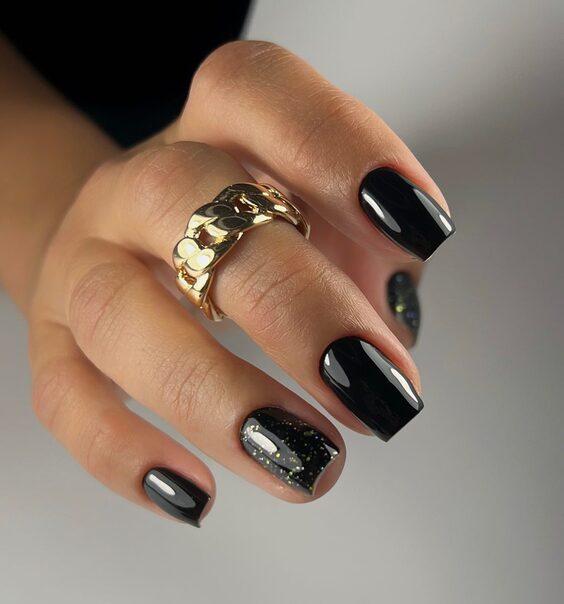
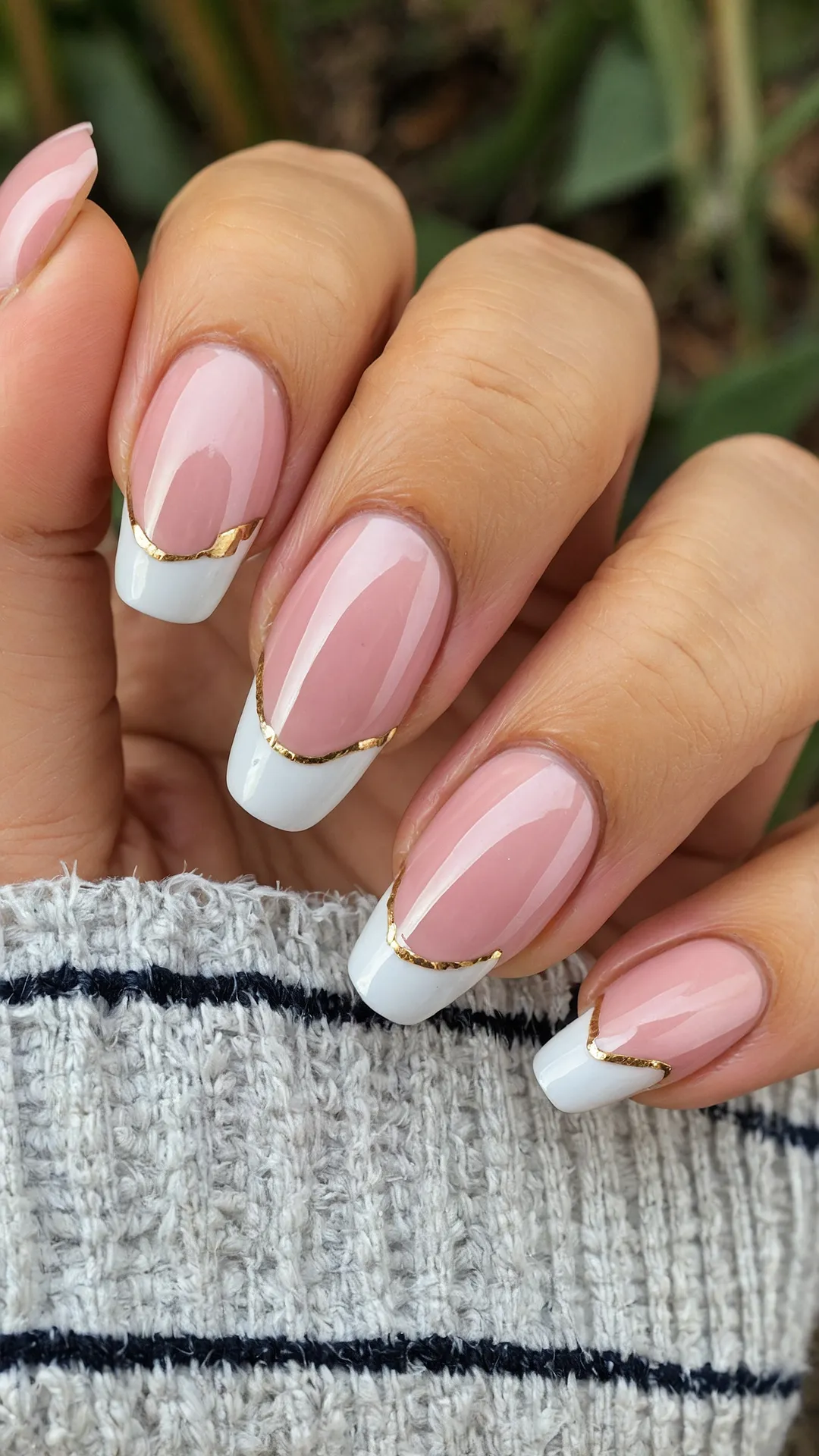
You have probably heard it from a friend, a nail tech, or a beauty blog: your nails need to breathe between manicures. It sounds sensible, and it feels true when your nails look dry and tired after a gel set comes off. But the science behind the advice is more interesting than the slogan, and the real answer is less about air and more about moisture, damage and care. If you love a polished look but worry about your nail health, these natural nails show what healthy bare nails can look like.
The 20 facts below separate the myth from the reality: what the nail plate actually is, why polish removal leaves nails looking rough, when a break genuinely helps, and which habits matter far more than any break. The short version is reassuring: nails do not breathe, but they do benefit from rest, oil and gentle handling.
1. The Nail Plate Has No Lungs
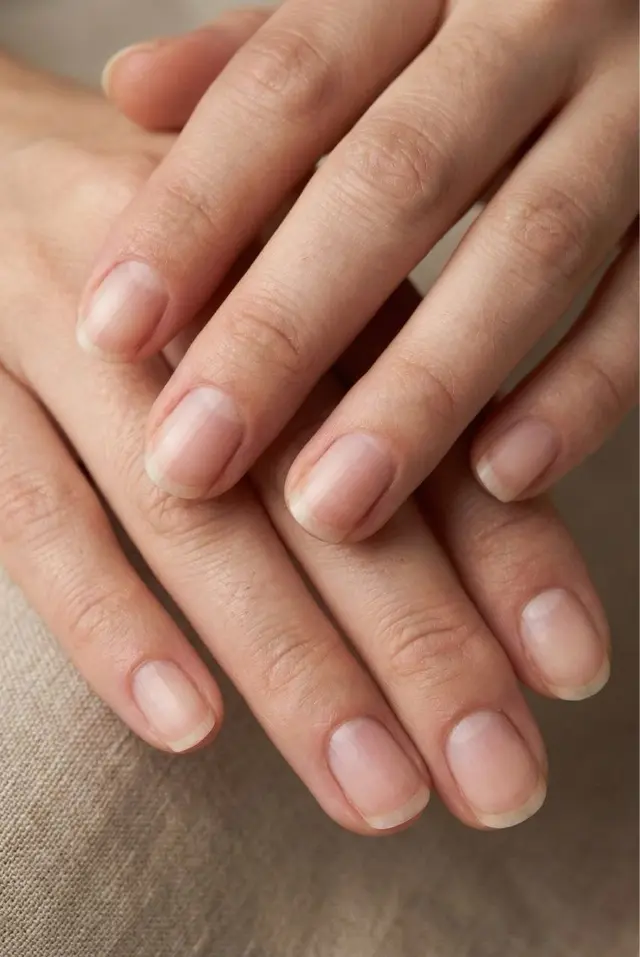
Photo credit by: minimodel.jp
The nail plate is made of dead keratin cells, the same material as hair, and it has no blood supply and no way to take in air. The living part of the nail is the matrix under the cuticle, and it gets its oxygen from the bloodstream, not from the air around your fingertips. So in the literal sense, nails do not breathe at all.
That does not make breaks useless, as the facts below explain. But it does mean the phrase “let your nails breathe” is a metaphor, not a biological fact, and understanding that changes how you care for them.
2. What Breathing Really Means for Nails
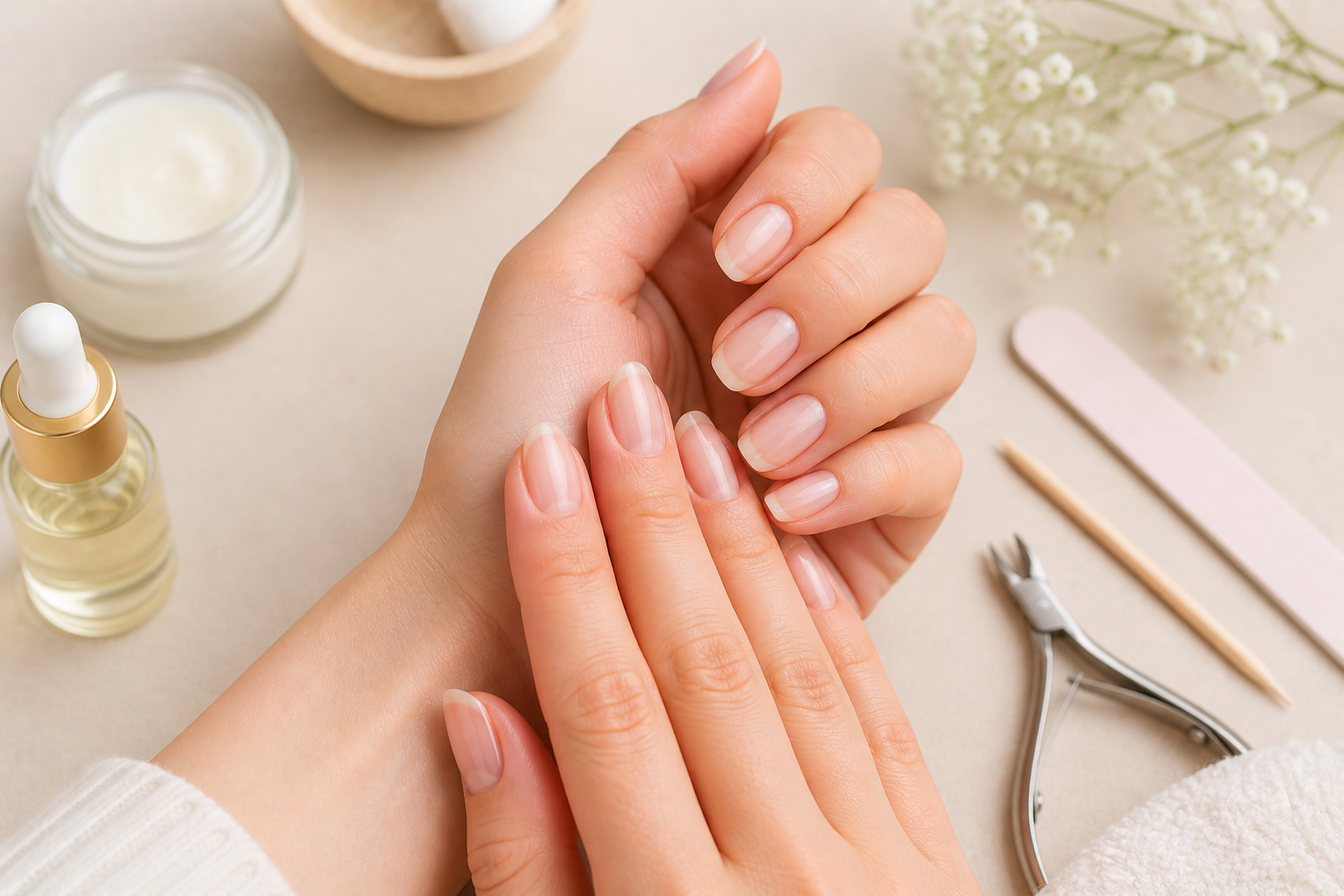
Photo credit by: goodvibesstudio.dk
When people say nails need to breathe, they usually mean the nails need a rest from polish, gel and acrylic, and that rest is genuinely useful. A break gives you a chance to moisturise the plate, let the surface recover from filing, and spot problems like discolouration that polish hides.
The break itself does not let air into the nail. What it does is remove the products and the removal process, both of which can dry and thin the plate, and that is where the real benefit lies.
3. Nails Get Oxygen from the Blood, Not the Air
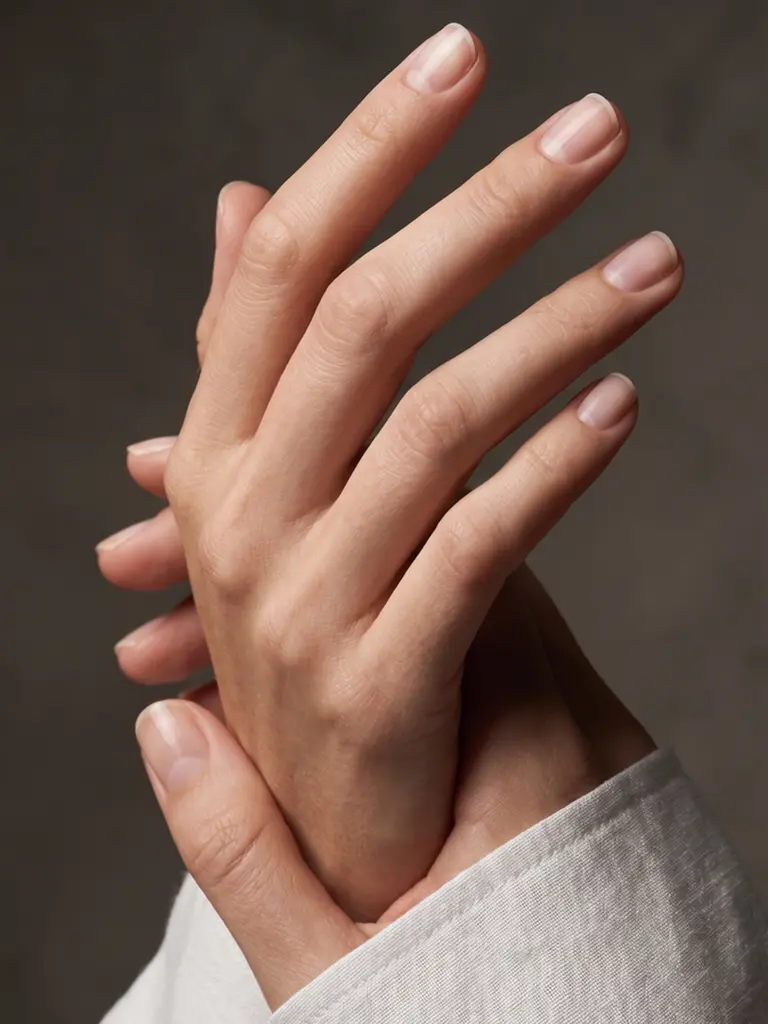
Photo credit by: fashionbeautyrunway.ca
The nail matrix, the living tissue that grows the nail, sits under the skin at the base of the nail and is fed by tiny blood vessels. That blood supply delivers all the oxygen and nutrients the nail needs, whether the nail is polished or bare. Covering the nail with polish does not suffocate it.
This is why a healthy diet and good circulation matter more for nail growth than any break. If your nails grow slowly or look dull, the cause is more likely to be health, hydration or damage than a lack of air.
4. Why Nails Look Dry After Polish Removal
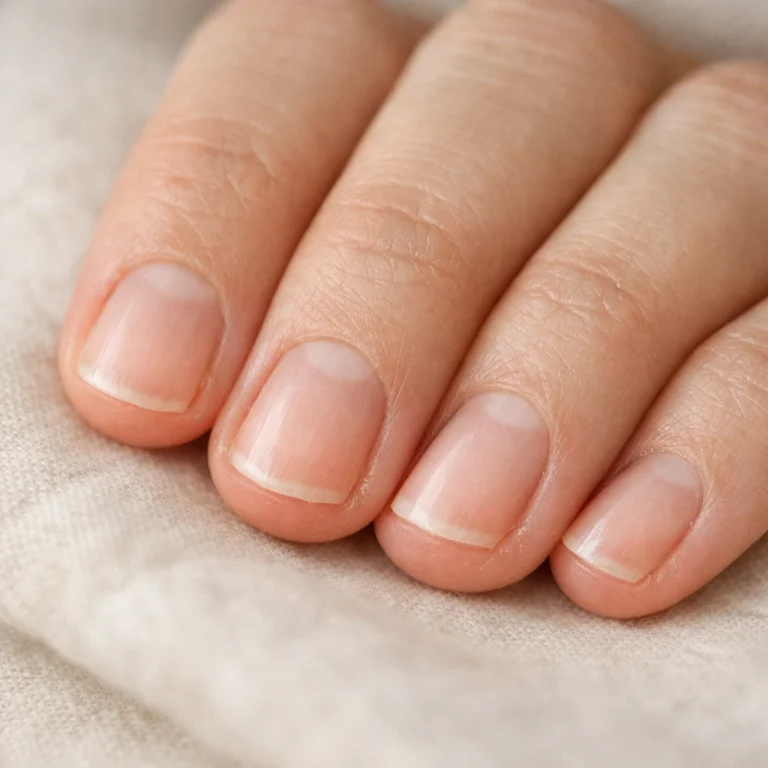
Photo credit by: blog.dearsundays.com
After polish comes off, nails often look dry, white and rough, and it is easy to blame the polish for suffocating them. In reality the dryness usually comes from the remover, especially acetone, which strips natural oils from the plate, and from the buffing that often happens before polish is applied.
The fix is moisture, not air: cuticle oil and a rich hand cream restore the oils acetone removes. For more on recovering from gel, gel nails explain how the finish works and why removal matters so much.
5. The Real Risk: Moisture Trapped Under Polish
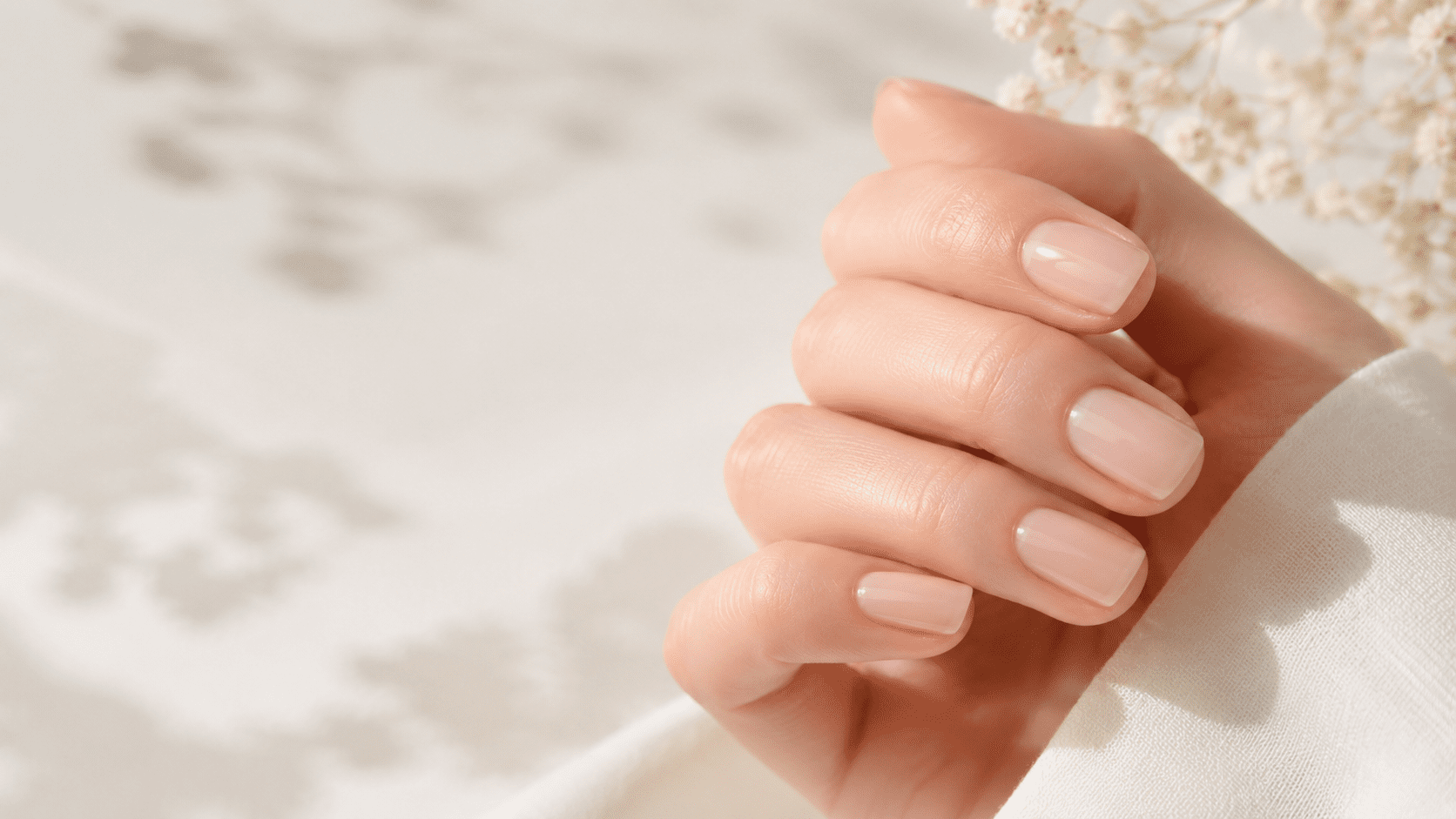
Photo credit by: theorganicbunny.com
The genuine risk of wearing polish non-stop is not a lack of air but trapped moisture. When a manicure lifts at the edges, water gets underneath and stays there, creating a warm, damp space where bacteria and fungus can grow. That is the problem a break actually prevents.
The solution is not necessarily a break but maintenance: fix lifting promptly, keep nails dry, and remove a manicure as soon as it starts to lift rather than wearing it for an extra week.
6. Gel and Acrylic: What Actually Damages Nails
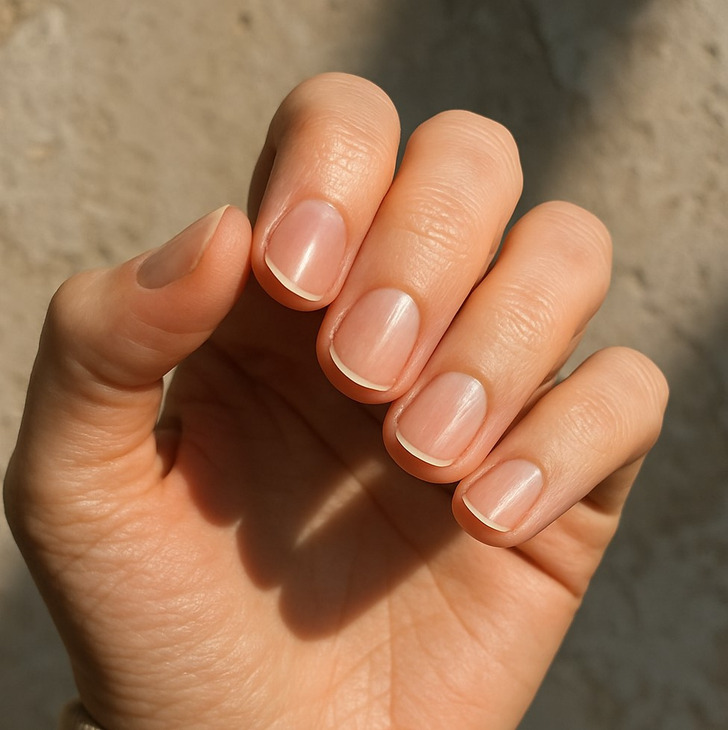
Photo credit by: adme.media
Gel and acrylic themselves are not the main cause of nail damage. The damage usually comes from the preparation, aggressive filing that thins the plate, and from removal, especially peeling gel off or prying acrylics, which pulls layers of keratin away with the product.
A gentle application and a proper soak-off leave nails far healthier than a rushed job. If your nails feel thin after gel, the removal method is the first thing to question, not the gel itself.
7. How Long a Break Really Helps
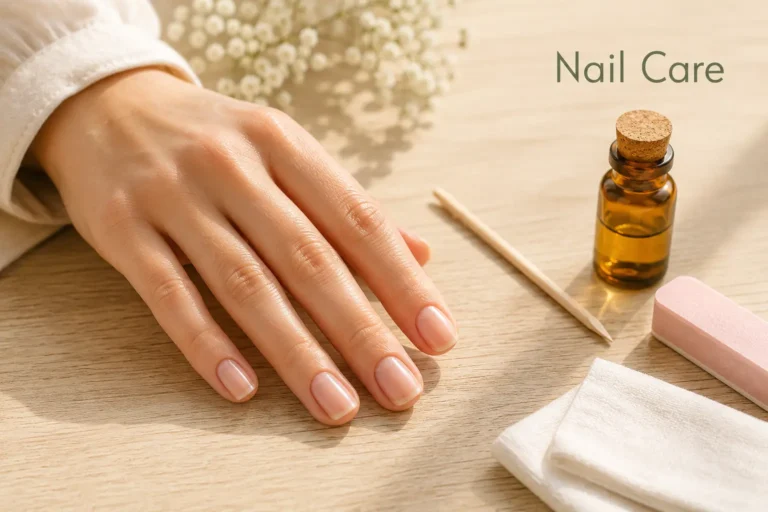
Photo credit by: chromenails.info
A break of one to two weeks is usually enough to rehydrate the nail plate and let the surface recover from filing. Longer breaks help only if the nail is genuinely damaged, since a healthy nail plate does not need months to recover, and the damaged part simply has to grow out.
Fingernails grow about three millimetres a month, so a full replacement takes four to six months. A short break helps the surface; only time and growth fix deep damage.
8. The One-Week Bare Nail Reset

Photo credit by: dreambirdcookieco.com
A one-week reset is simple: remove the polish, skip the new manicure, and oil the nails twice a day. The week gives the plate a chance to rehydrate, lets you see the true colour and condition of your nails, and breaks the cycle of covering damage with more polish.
The reset works best between gel sets rather than between regular polish, since gel removal is harder on the plate. For more bare-nail inspiration, clean girl nails show how a natural manicure can still look polished.
9. Cuticle Oil Is the Real Breath of Fresh Air
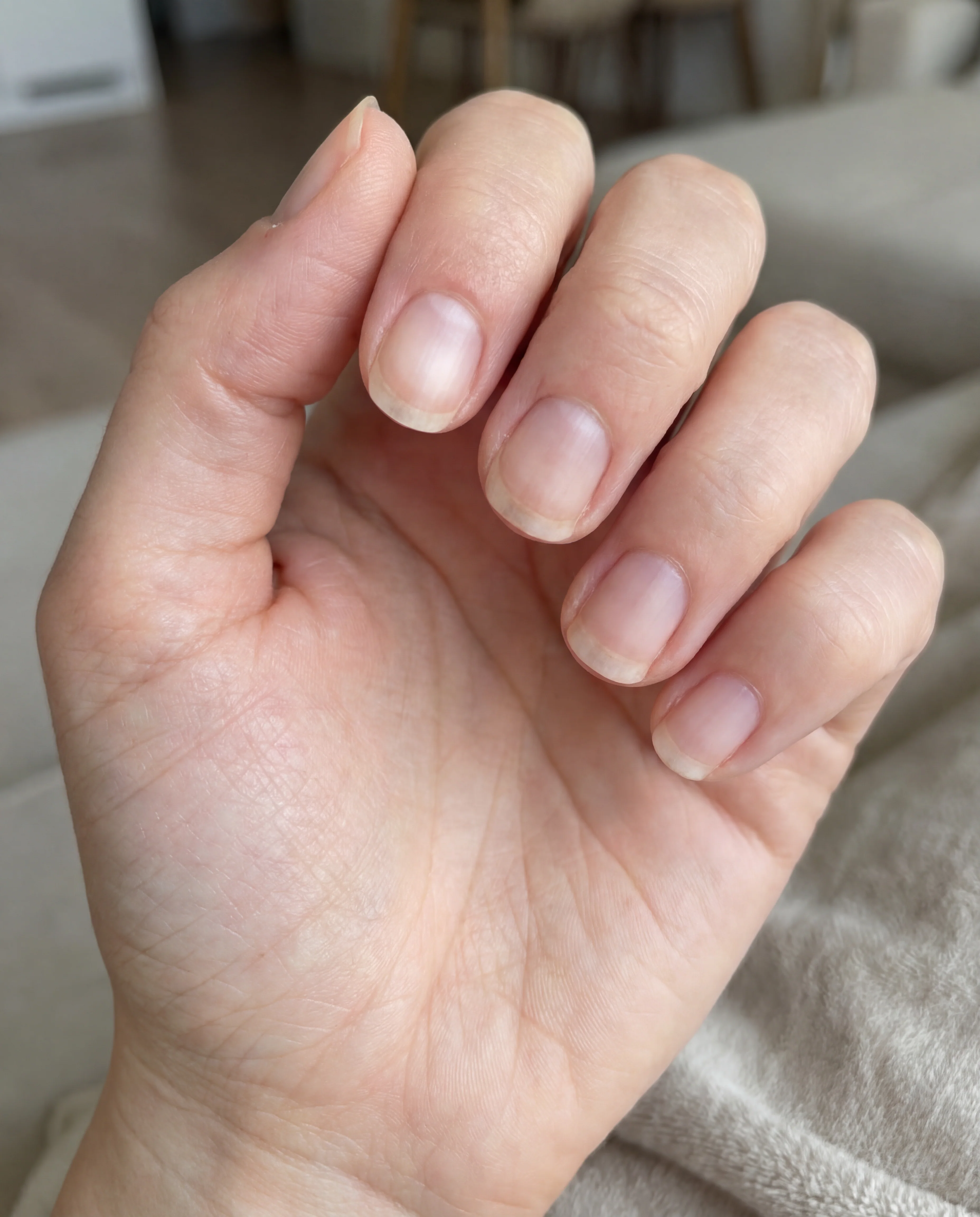
Photo credit by: mercihandy.com
If there is one product that does what people imagine “breathing” does, it is cuticle oil. The nail plate absorbs oil, which restores flexibility, prevents peeling, and keeps the cuticle healthy, and it works whether the nail is polished or bare.
Apply oil daily, ideally at night so it can soak in, and focus on the cuticle and the free edge. Jojoba oil is a favourite because its molecules are small enough to penetrate the plate.
10. Signs Your Nails Need a Break
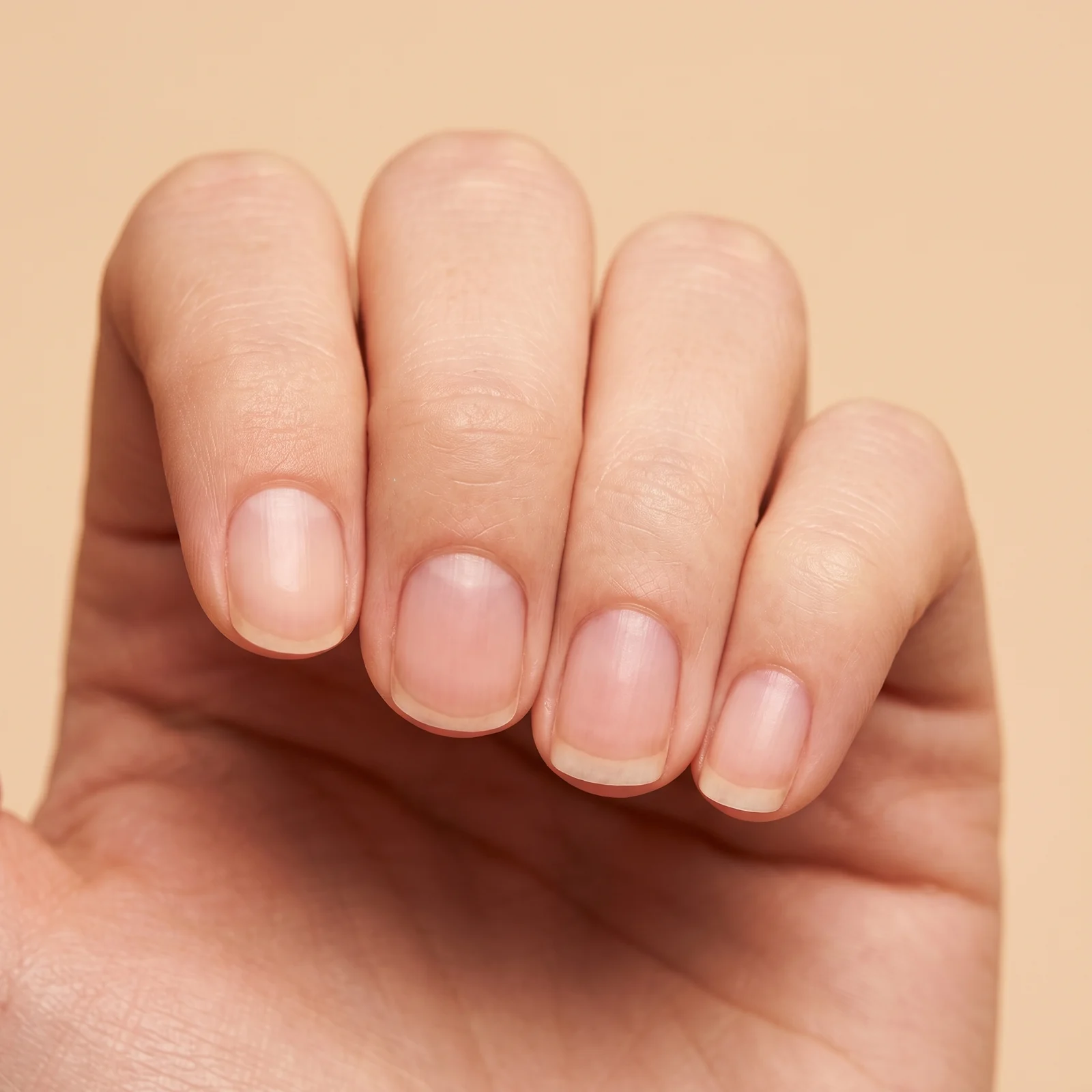
Photo credit by: earthnailspa.com
Peeling, splitting, thinning and persistent white patches are the signs that a break is genuinely useful. So is pain or tenderness around the nail, and any green or dark discolouration under the polish, which needs a break and a professional opinion.
By contrast, a nail that simply looks dull after polish removal usually just needs oil, not a long break. Learn to tell damage from dryness, and you will know when rest is really needed.
11. White Spots and What They Mean
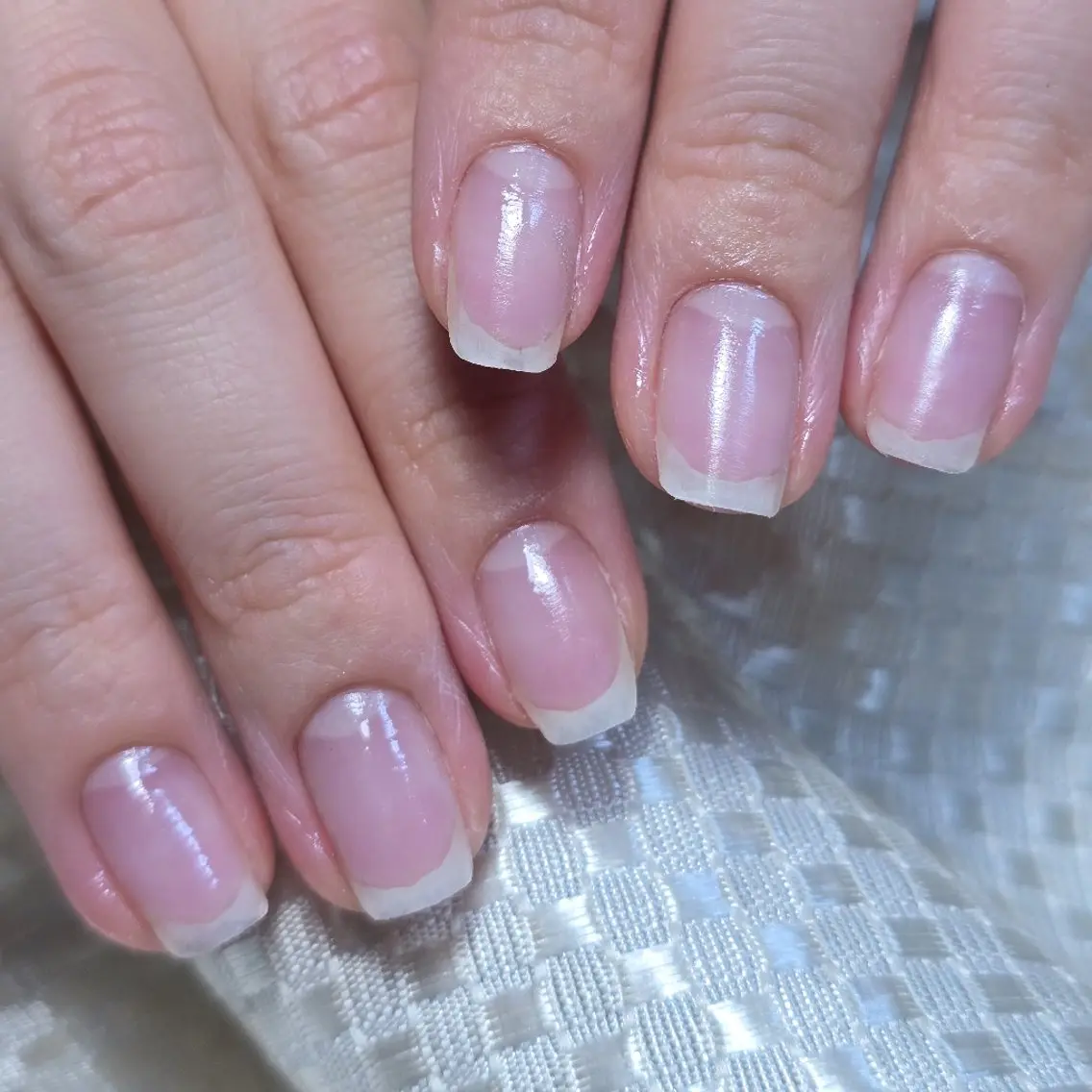
Photo credit by: minimodel.jp
Small white spots on nails are usually caused by minor trauma to the matrix, like a bump or aggressive cuticle pushing, and they grow out with the nail. They are rarely a sign of a vitamin deficiency, despite what beauty blogs often claim.
A break will not make white spots disappear faster, since the spot is already in the plate and must grow out. Gentle cuticle care prevents new ones, which matters more than resting the nail.
12. Peeling Nails After Gel Removal
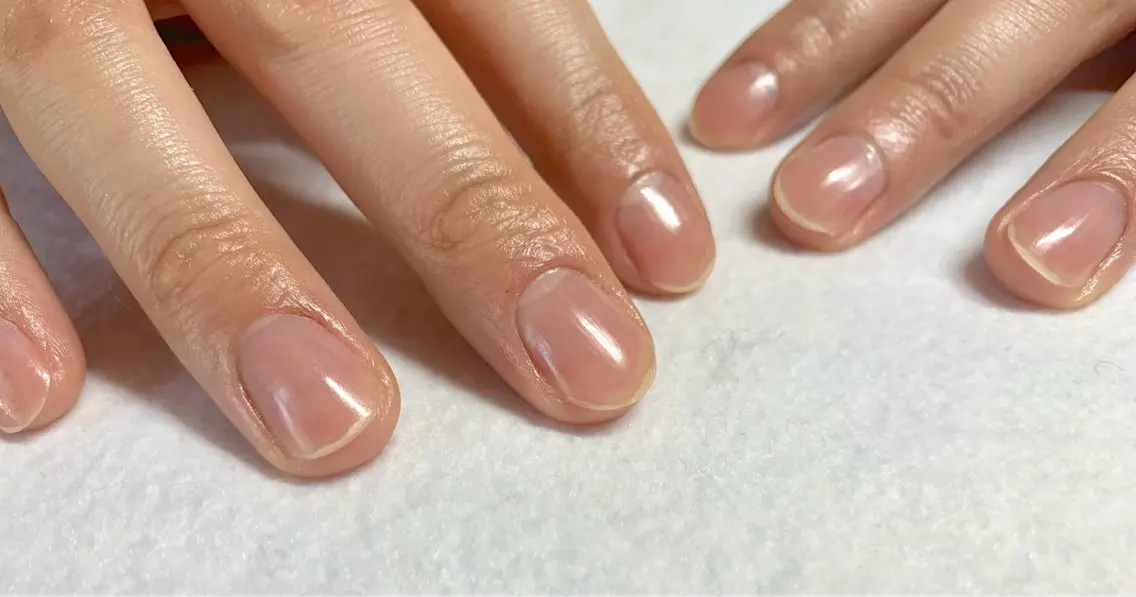
Photo credit by: minimodel.jp
Peeling after gel removal is one of the most common complaints, and it is usually caused by peeling the gel off rather than soaking it off. Peeling pulls up thin layers of the nail plate, leaving it weak and flaky.
The fix is patience: soak-offs take time, but they preserve the plate. For more on gentler alternatives, Gel-X nails explain how a different system changes the removal story.
13. Why Buffing Too Much Backfires
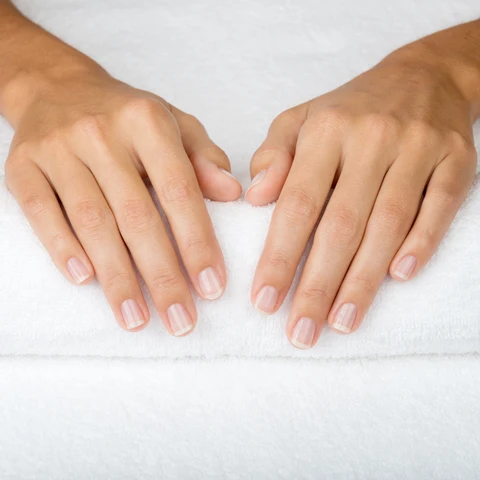
Photo credit by: makeyourownpolish.com
Buffing makes nails look smooth and shiny, but each pass removes a thin layer of keratin. Buffing before every manicure thins the plate over time, which is why nails feel weak and bendy after months of regular buffing.
A gentle buff once in a while is fine, but the plate should not be buffed at every appointment. Ask your tech to skip the buffer if your nails already feel thin.
14. The Japanese Manicure Approach to Nail Health
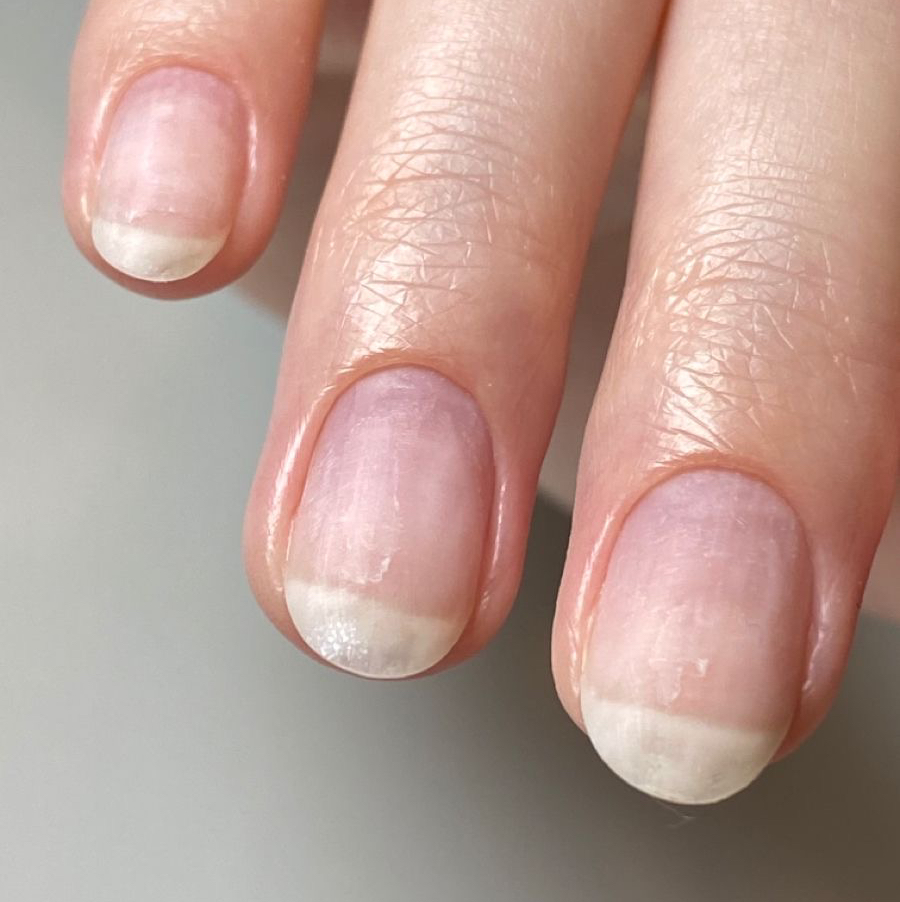
Photo credit by: dikidi.net
The Japanese manicure focuses on nail health rather than colour: the plate is gently buffed, nourished with a beeswax and oil paste, and polished to a natural shine with no polish at all. The result is a healthy-looking bare nail with a soft gloss.
The approach shows that a manicure does not need colour to look finished. It is a good option during a break, since it treats the nail while keeping it looking polished.
15. Breathable Polish: What the Label Really Means
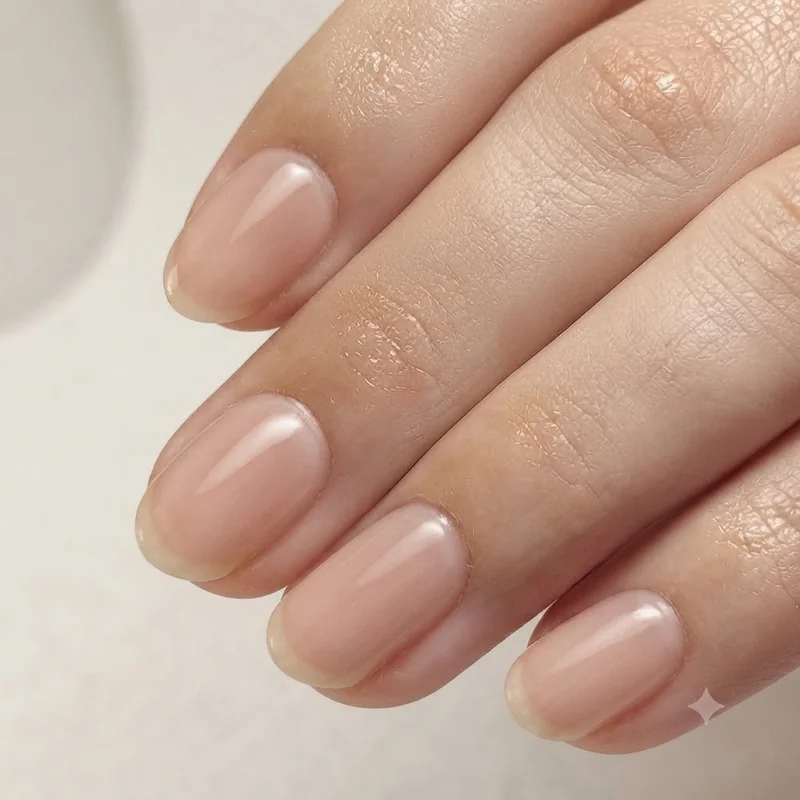
Photo credit by: mirelleinspo.com
Some polishes market themselves as breathable, meaning water and air can pass through the film. The claim is real in a laboratory sense, but the benefit for nail health is modest, since the nail plate does not need air in the first place.
Breathable polish can help if you wear polish constantly, since it lets moisture escape rather than trapping it. It is a nice feature, but not a substitute for good removal and cuticle care.
16. How Often Is Too Often for Manicures
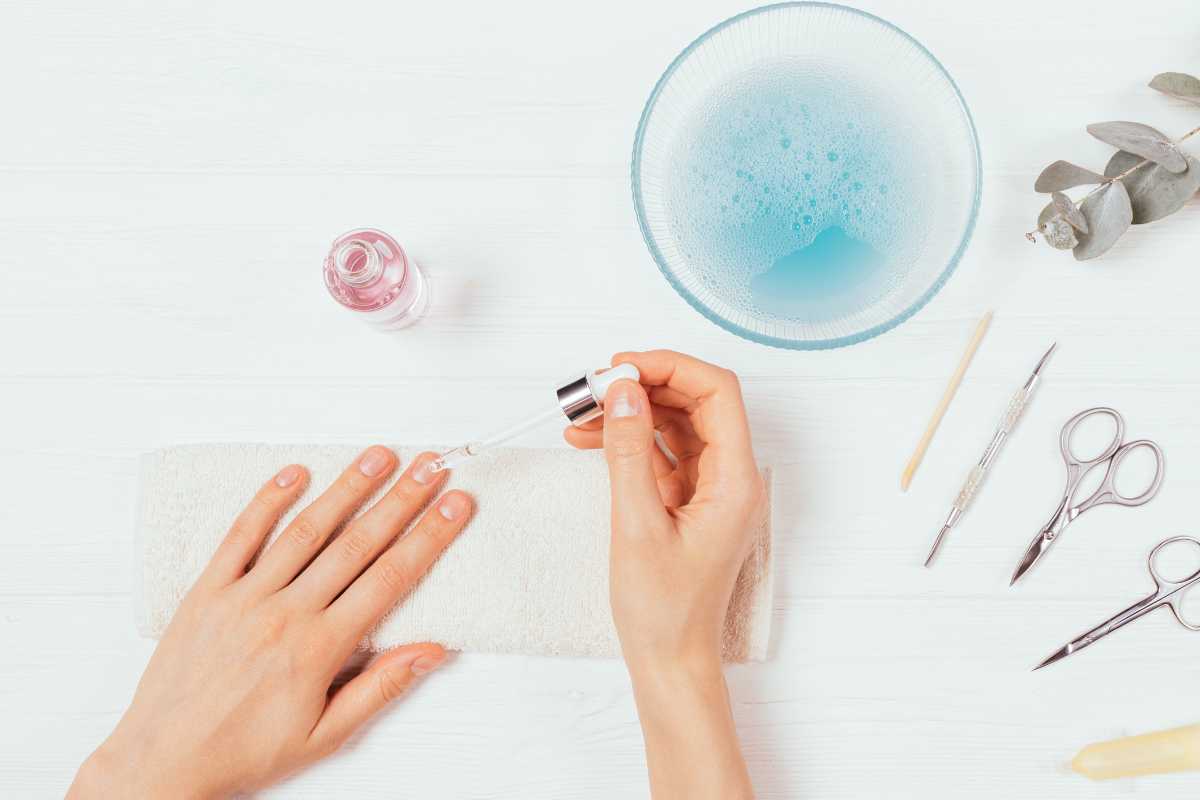
Photo credit by: cleverdiycrafts.com
Regular polish every week or two is fine for most nails, since the removal is gentle. Gel every two to three weeks is also fine if the removal is a soak-off, but back-to-back gel sets with aggressive filing will thin the plate over months.
The frequency that matters is the frequency of filing and peeling, not the frequency of colour. For more on choosing shades that suit frequent changes, nail colours cover the palette for every season.
17. The Naked Nail Trend and What It Gets Right
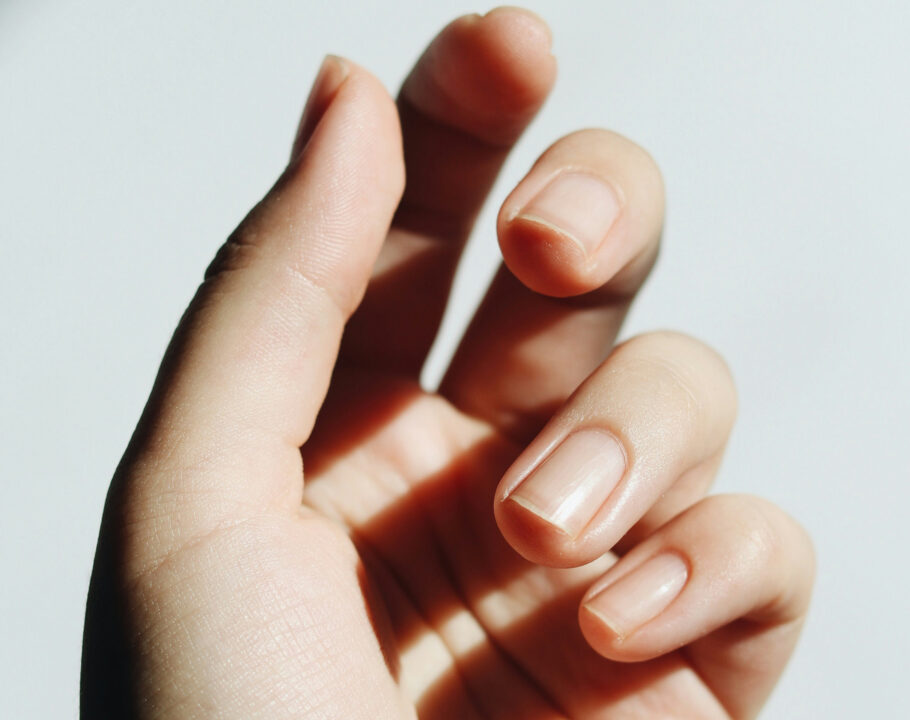
Photo credit by: newbeautymedia.wpenginepowered.com
The naked nail trend, bare, buffed and glossy nails with no colour, has grown because it looks healthy and expensive with almost no effort. It gets one thing very right: it puts the focus on the condition of the nail rather than the decoration.
A naked nail still needs care, oil, a smooth shape and a good top coat, or it looks neglected rather than intentional. For more minimal looks, simple nails keep the same quiet mood with a little colour.
18. Aftercare After Gel Damage
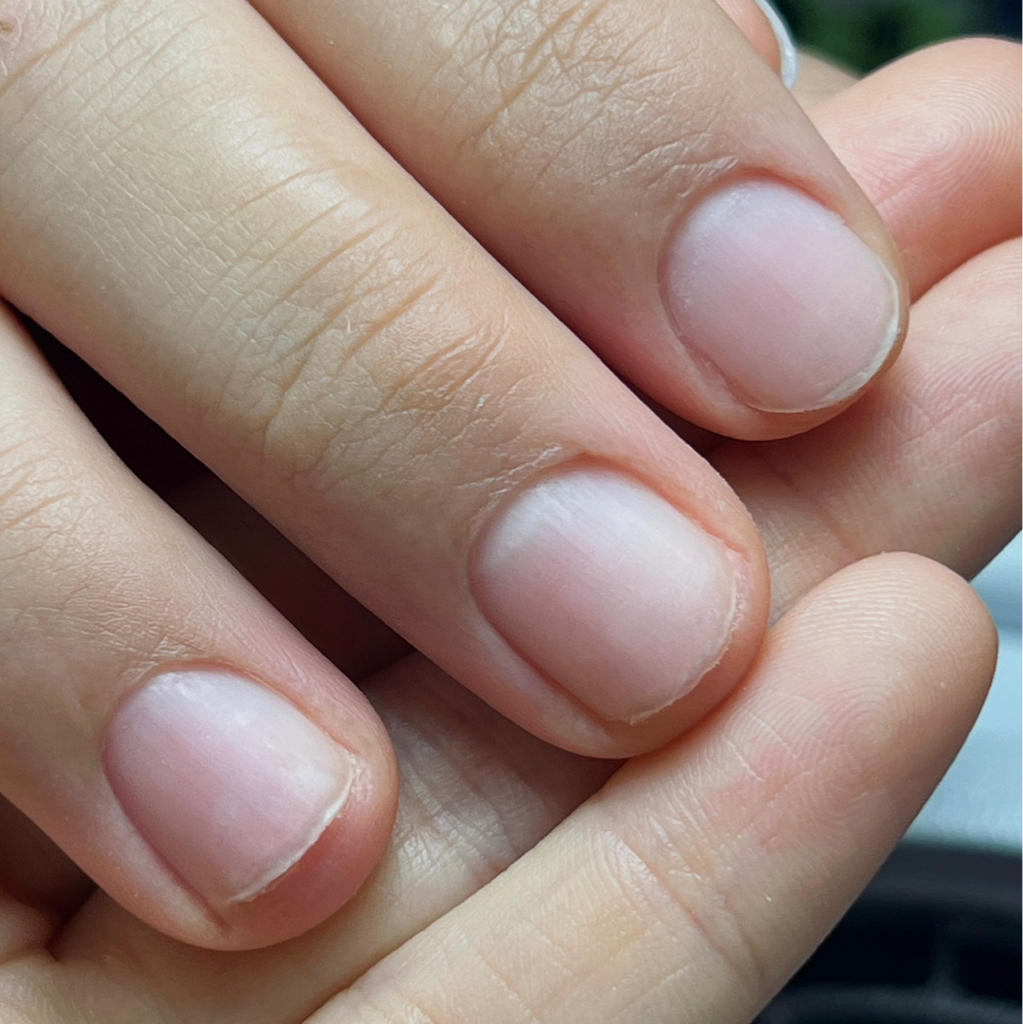
Photo credit by: telegra.ph
After gel damage, the best aftercare is simple: keep the nails short so they do not bend and split, oil them twice daily, and avoid new gel until the damaged area has grown out. A strengthening base coat can help, but it cannot repair keratin that is already gone.
Most damage grows out in two to three months if the nails are kept short and oiled. Patience matters more than any product, and a break during this period is genuinely useful.
19. When to See a Professional About Nail Health
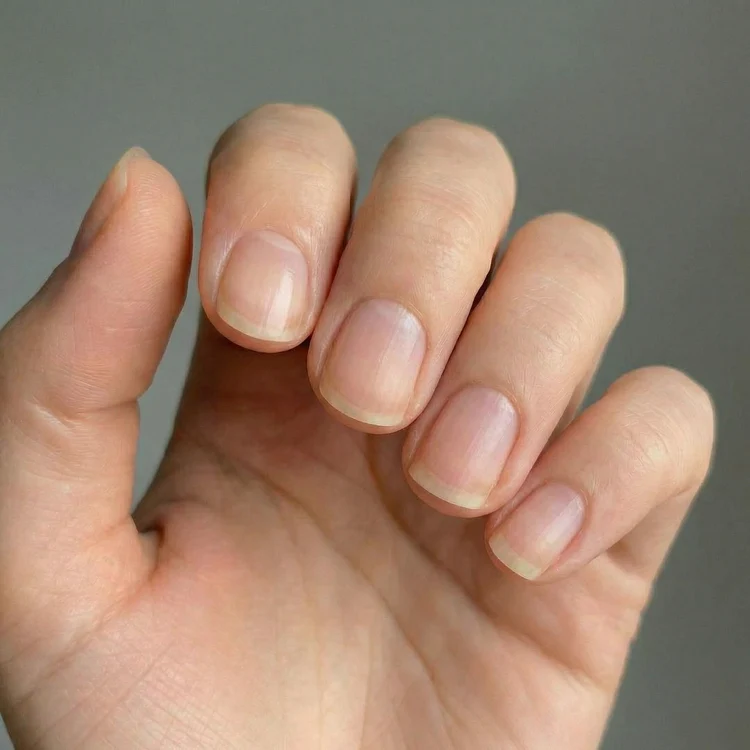
Photo credit by: scoutactivebeauty.com.au
Some nail changes need a professional, not a break: persistent dark lines, green discolouration, swelling around the nail, or a nail lifting from the bed. These can signal infection or other conditions that a polish break alone will not fix.
A dermatologist or a doctor is the right call for these signs, not a nail tech. For everyday professional care, professional nails show what a well-maintained manicure looks like at work.
20. A Healthy Routine That Needs No Breaks
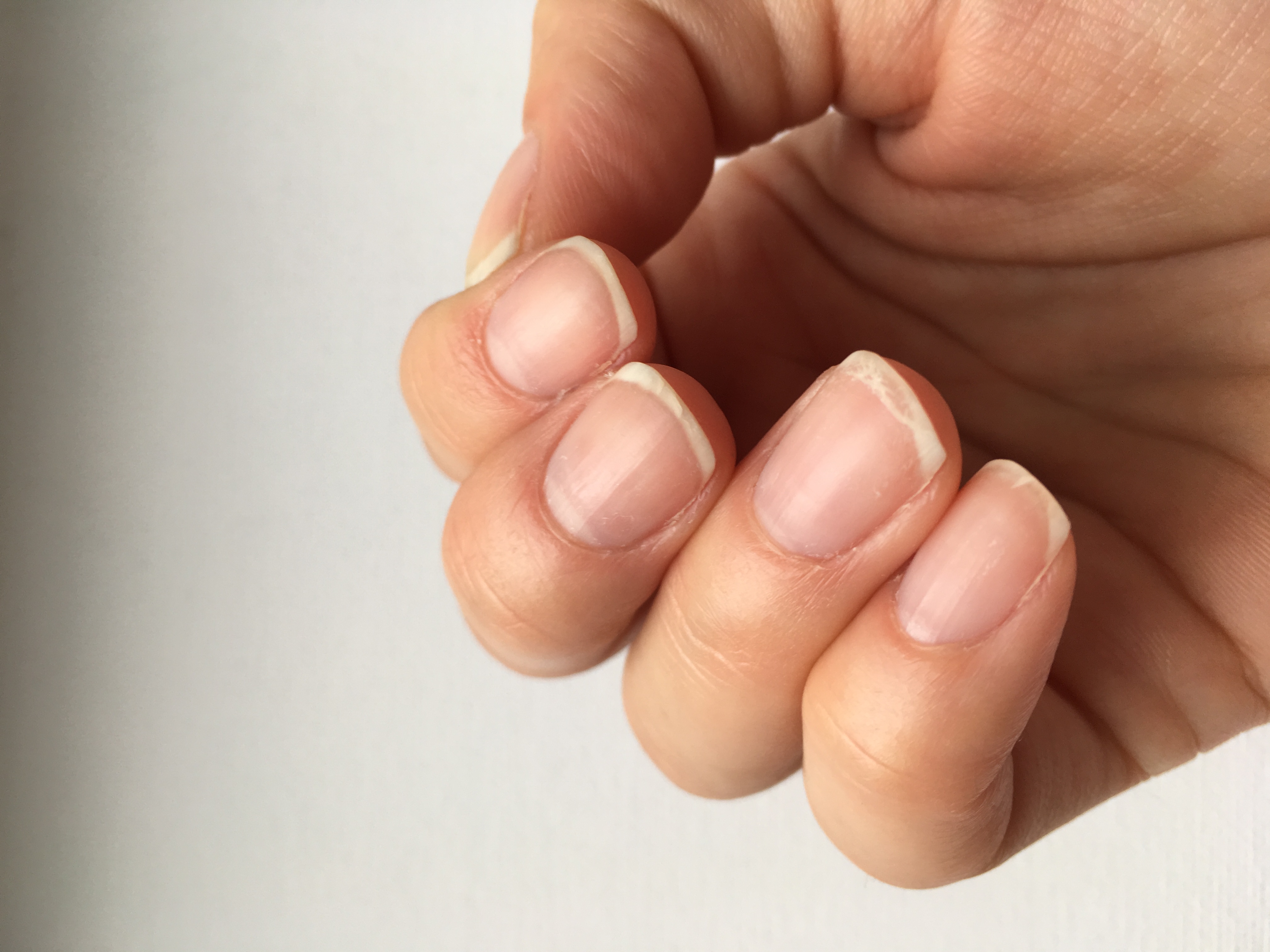
Photo credit by: theurbandiva.com
The healthiest nail routine needs no scheduled breaks at all: gentle removal, minimal filing, daily cuticle oil, gloves for cleaning, and prompt attention to lifting. With those habits, you can wear polish continuously and keep your nails healthy.
Breaks are still useful after damage or as a reset, but they are a repair tool, not a requirement. For more on keeping a polished look healthy, manicure nails cover the routines that keep nails strong.
Final Thoughts
Nails do not breathe, but they do need care: the myth points in the right direction, even if the biology is wrong. What actually helps is gentle removal, daily oil, minimal filing and prompt attention to lifting, and a short break is useful when the nails are damaged, not as a routine requirement.
- Oil your cuticles daily, since moisture matters far more than air for nail health.
- Never peel gel or acrylic off; always soak it off to protect the nail plate.
- Take a one to two week break when nails peel, split or thin, and keep them short while they recover.
- Fix lifting promptly so moisture cannot get trapped under the polish.
However you wear your manicure, treat the break as a repair tool rather than a rule, and your nails will stay healthy with or without polish.

Hi, I’m Zoey Mitchell, the creator of ChicStyle Blog.
I share simple, wearable outfit ideas, hairstyles, nail trends, and beauty tips that feel natural and easy to recreate.
This blog is where I explore everything that makes a woman feel put together and confident every day. I’m not an expert — just a woman who genuinely loves style, mixing looks, and discovering what works.
If you love effortless fashion with a personal touch, you’ll feel at home here.