Headlines in late 2025 declared that the EU had banned gel polish, and the panic spread faster than the facts. Social feeds filled with claims that manicures were over, that gel caused infertility, and that salons would have to close their gel menus overnight.
None of that was true. What the EU actually banned was one ingredient, TPO, a photoinitiator used in some gel polishes, and the change affects formulas rather than the manicure itself. These twenty points lay out what happened, why, and what it means for your next appointment.
1. What TPO Actually Is
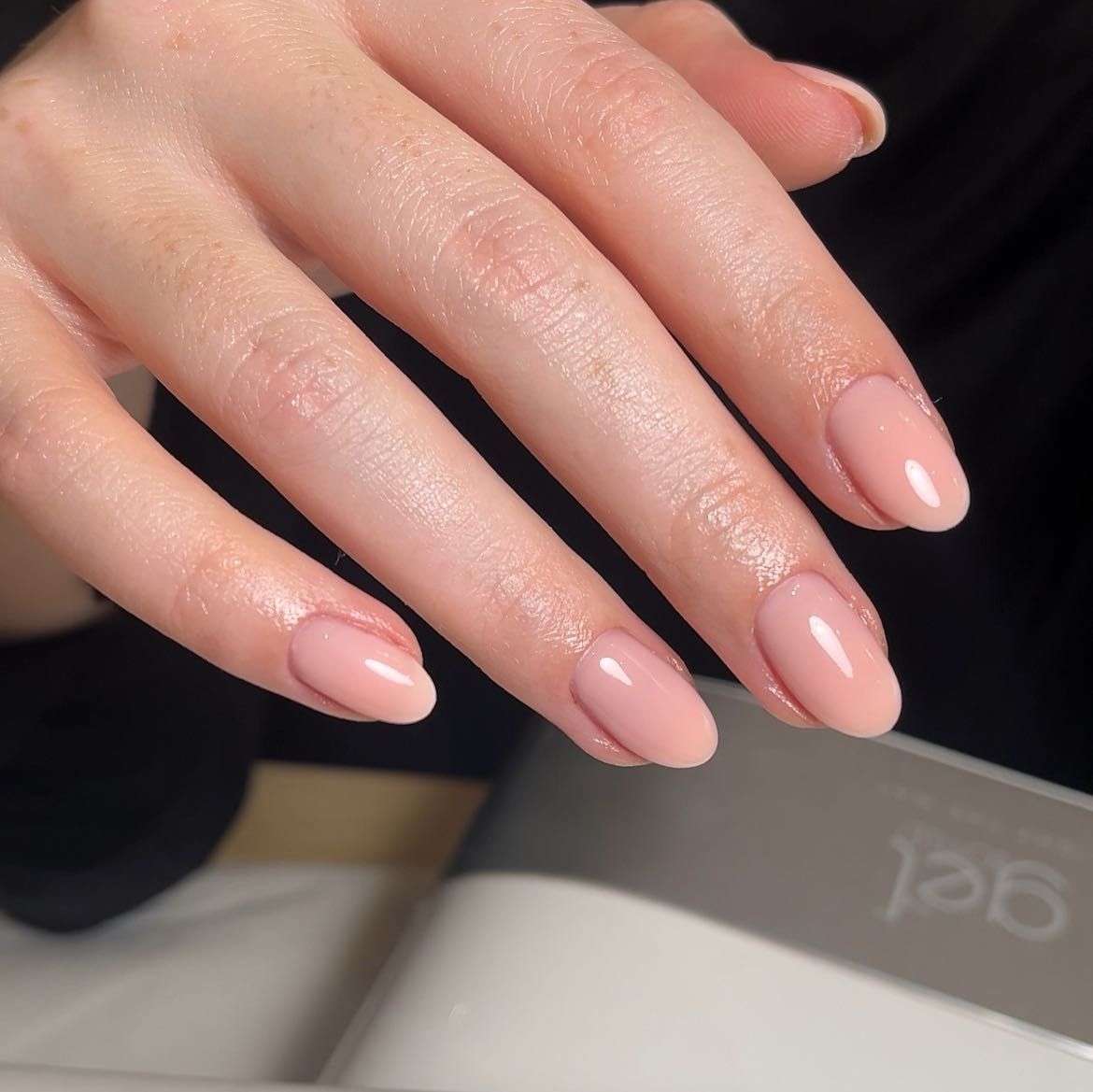
Photo credit by: booksy.com
TPO stands for trimethylbenzoyl diphenylphosphine oxide, a photoinitiator added to some gel polishes. Its job is to start the curing reaction when the polish is exposed to UV or LED light, hardening the gel into the glossy finish gel manicures are known for.
It is one of several photoinitiators available to polish makers, not the only way to cure gel. That matters, because it meant brands could swap it out for alternatives without changing how the manicure looks or wears.
2. The September 1, 2025 Ban Date
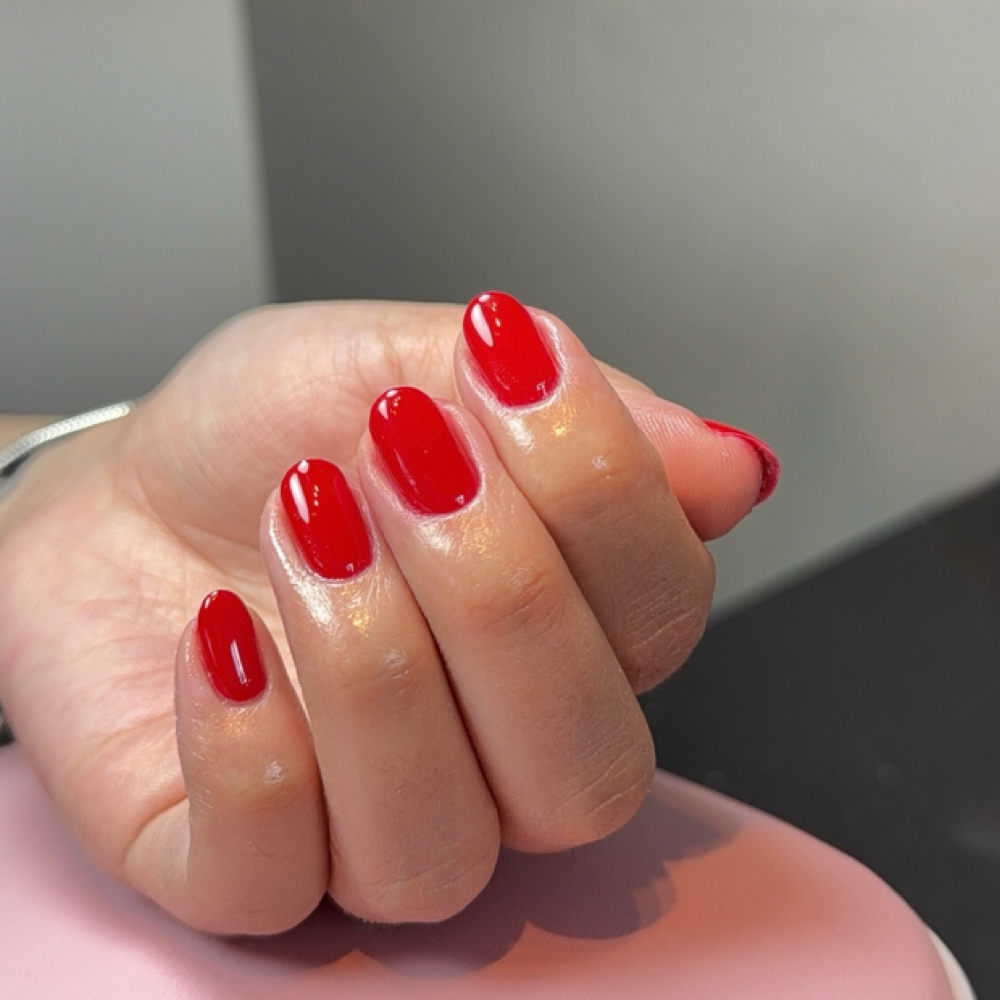
Photo credit by: gloriananails.glossgenius.com
From September 1, 2025, TPO could no longer be used in cosmetic products sold in the European Union. The date was the enforcement point of a classification decision made earlier, and it applied to manufacture and sale, not to wearing a manicure you already had.
Salons in the EU had to remove TPO-containing polishes from their shelves by that date. There was no sell-through period for old stock, which is why the change felt sudden even though the decision itself had been public for months.
3. Why the EU Classified TPO as CMR
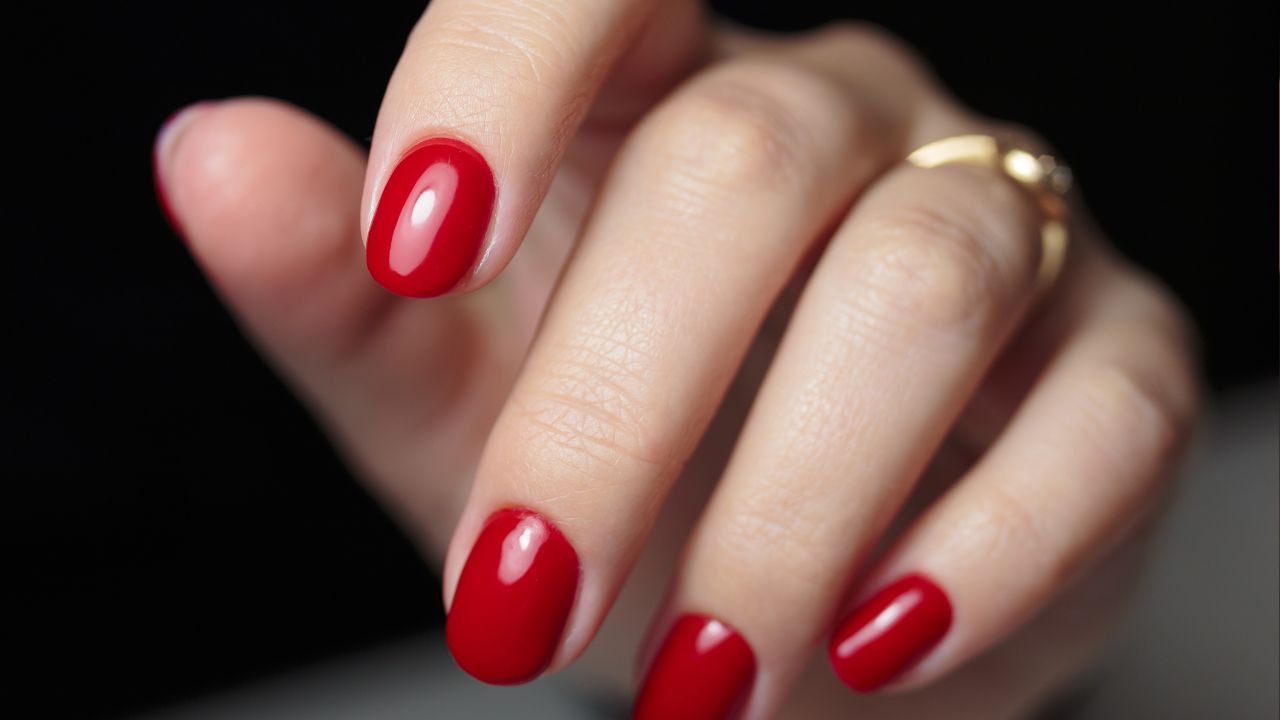
Photo credit by: media.statemirror.com
TPO was classified as a CMR substance, meaning carcinogenic, mutagenic or toxic for reproduction, based on animal studies that showed fertility effects at high doses. The classification sits in the reproductive-toxicity category, and under EU cosmetics law a CMR classification triggers an automatic ban unless a specific exemption is granted.
No brand applied for an exemption, so the ban followed automatically. It is worth noting the classification rests on high-dose animal data, not on evidence of harm from ordinary manicure use, which is a distinction the headlines usually dropped.
4. How Photoinitiators Cure Gel Polish
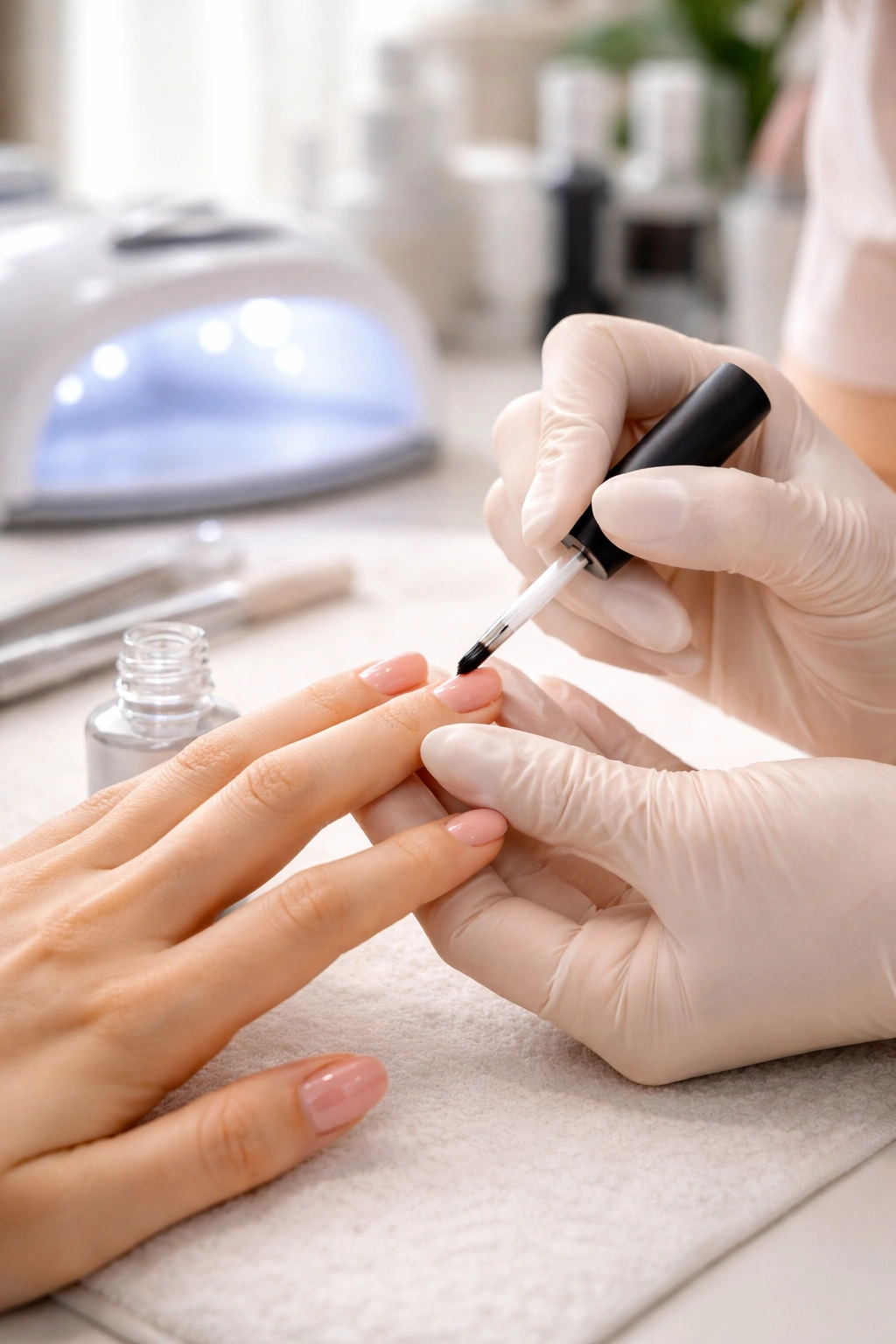
Photo credit by: media.nailstiq.com
Gel polish stays liquid in the bottle and only hardens under a lamp, and the photoinitiator is the ingredient that makes that happen. It absorbs the lamp light and releases the reactive particles that link the gel into a hard, glossy layer.
Without a photoinitiator there is no gel manicure at all, which is why the ban targeted one chemical rather than the category. Replacement photoinitiators do the same job, so the curing step in the salon looks exactly the same as before.
5. Not Every Gel Polish Contains TPO
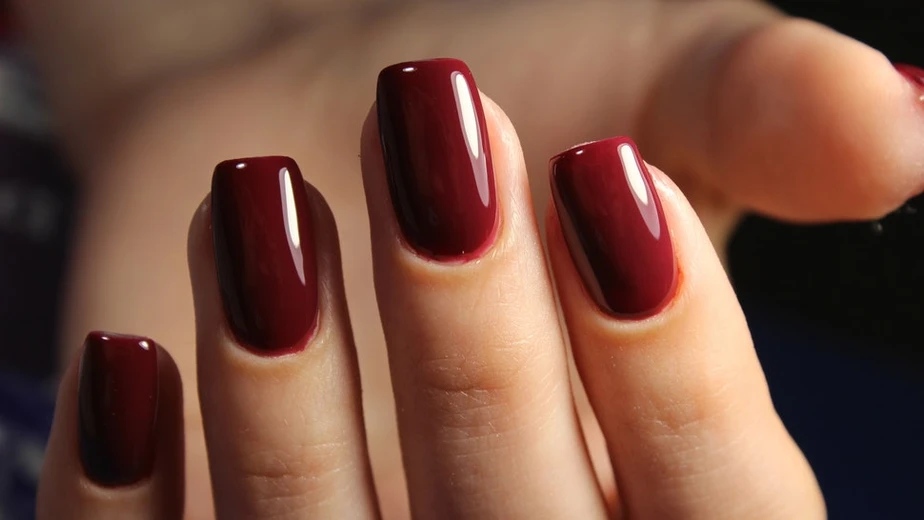
Photo credit by: ibeautysource.com
A large share of gel polishes never contained TPO in the first place. Many brands had already moved to other photoinitiators years before the ban, either for cost, performance or regulatory caution.
That is why the ban did not empty salon shelves: plenty of polishes were already compliant. If you have a favourite shade, the odds are reasonable it was never affected, and the label will tell you either way. gel-x nails
6. Brands That Reformulated Early
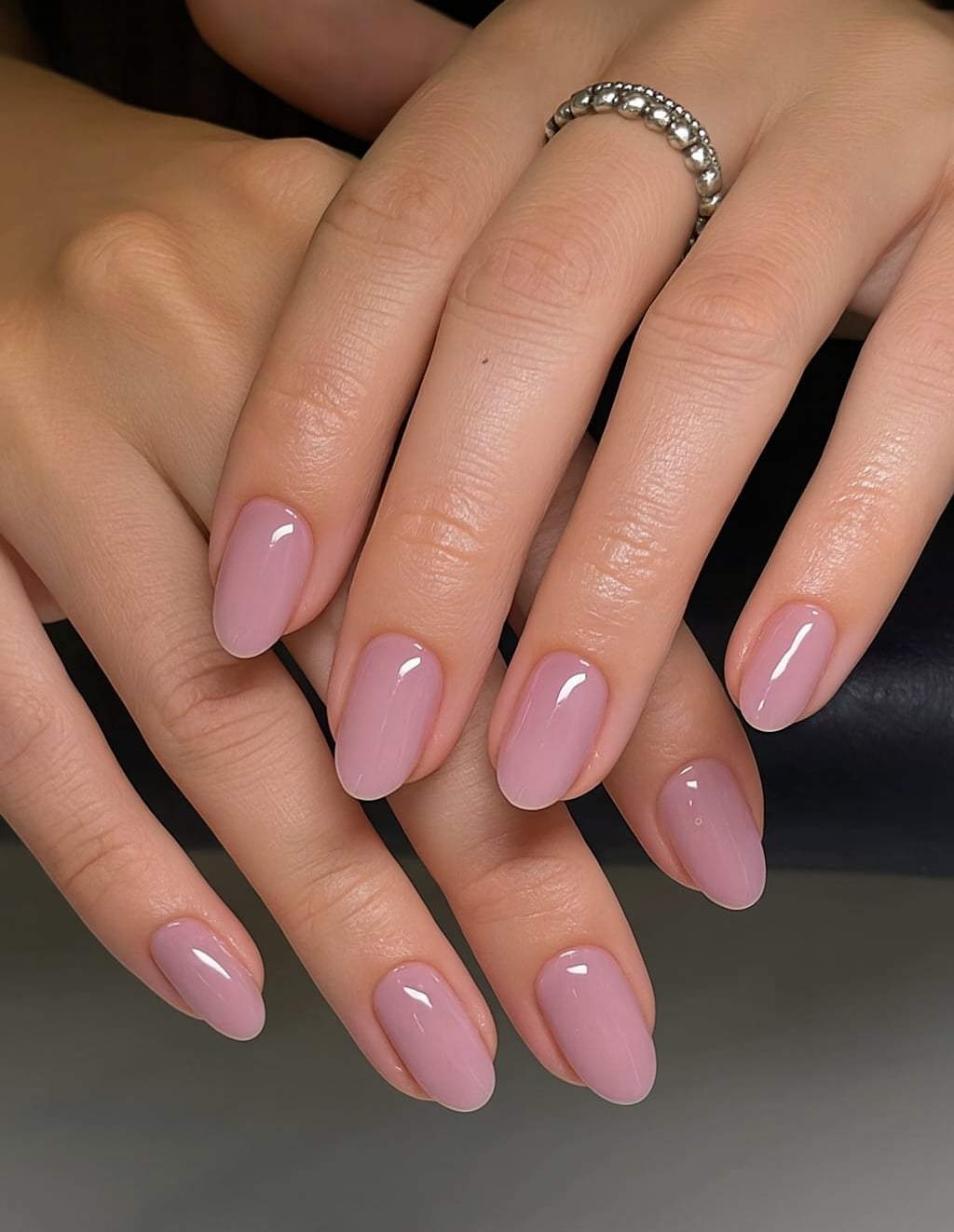
Photo credit by: airbnb.es
Several major gel brands reformulated their lines well ahead of the deadline, and some had been TPO-free for years. Reformulation is routine in cosmetics, and a single ingredient swap is far simpler than rebuilding a whole formula.
The practical result is that most salon menus barely changed. A client would only notice if a specific shade was discontinued rather than reformulated, which happened with a small number of colours rather than whole ranges.
7. How to Check Your Polish Label
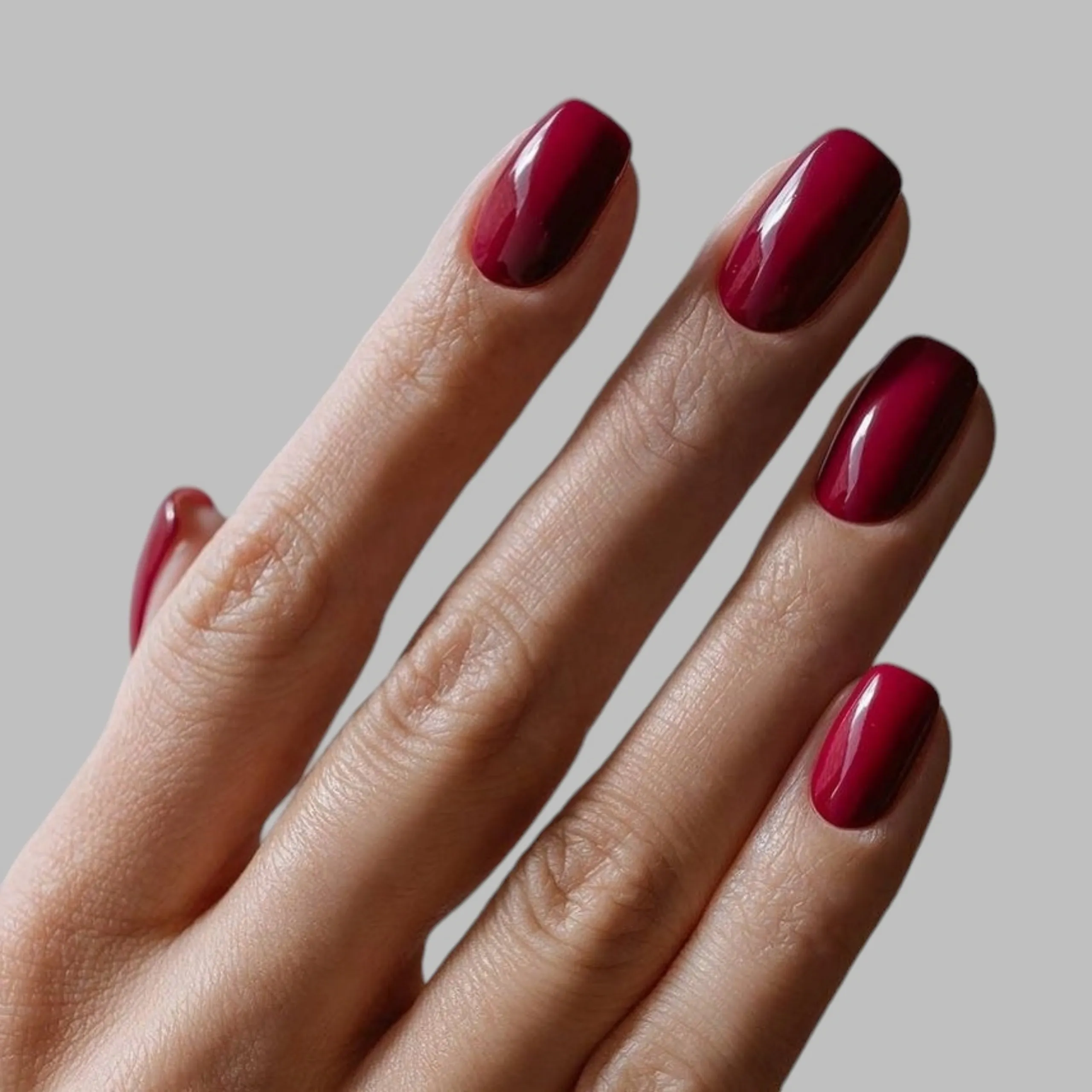
Photo credit by: gemgelnail.com
TPO appears on ingredient lists as trimethylbenzoyl diphenylphosphine oxide, and the list is usually printed on the bottle or the box. In the EU, any polish sold after the ban date should not list it at all.
If you buy polish online, check the listing for a TPO-free note and confirm the seller ships the current formula. Older stock from before the ban can still circulate through third-party sellers, so the label is the reliable check rather than the listing date. The same applies to summer gel nail designs, where the finish matters more than the formula name.
8. TPO-Free Alternatives That Cure the Same
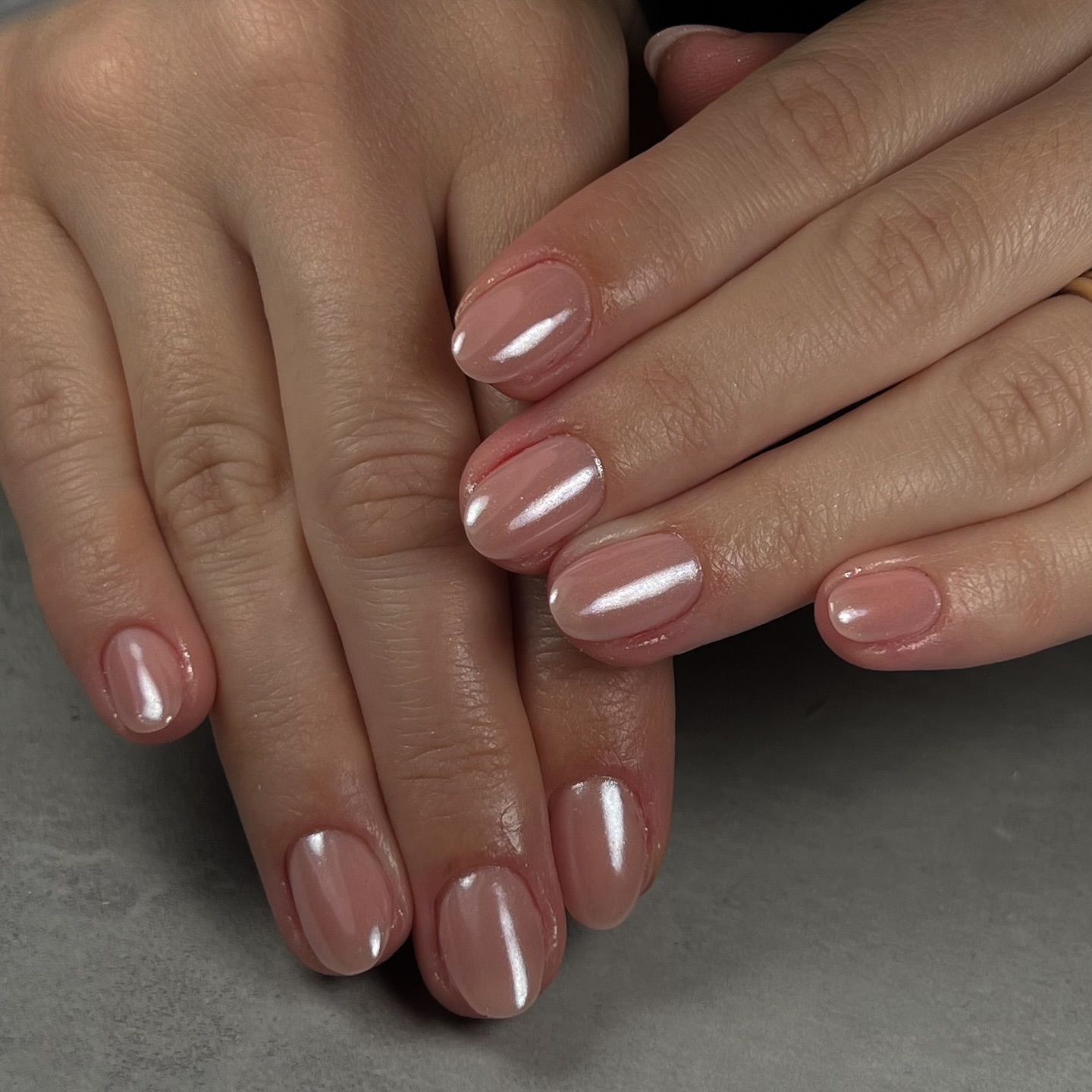
Photo credit by: booksy.com
The most common replacement photoinitiators cure under the same UV and LED lamps, with the same timing and the same glossy finish. From the chair, nothing about the appointment changes: same base, same colour, same top coat, same lamp.
Wear time is the one thing worth watching, since any formula change can shift how a polish behaves on some nail types. Most users report no difference, but if a shade starts lifting sooner than it used to, the new formula is the first thing to check.
9. What the Ban Means for Salons
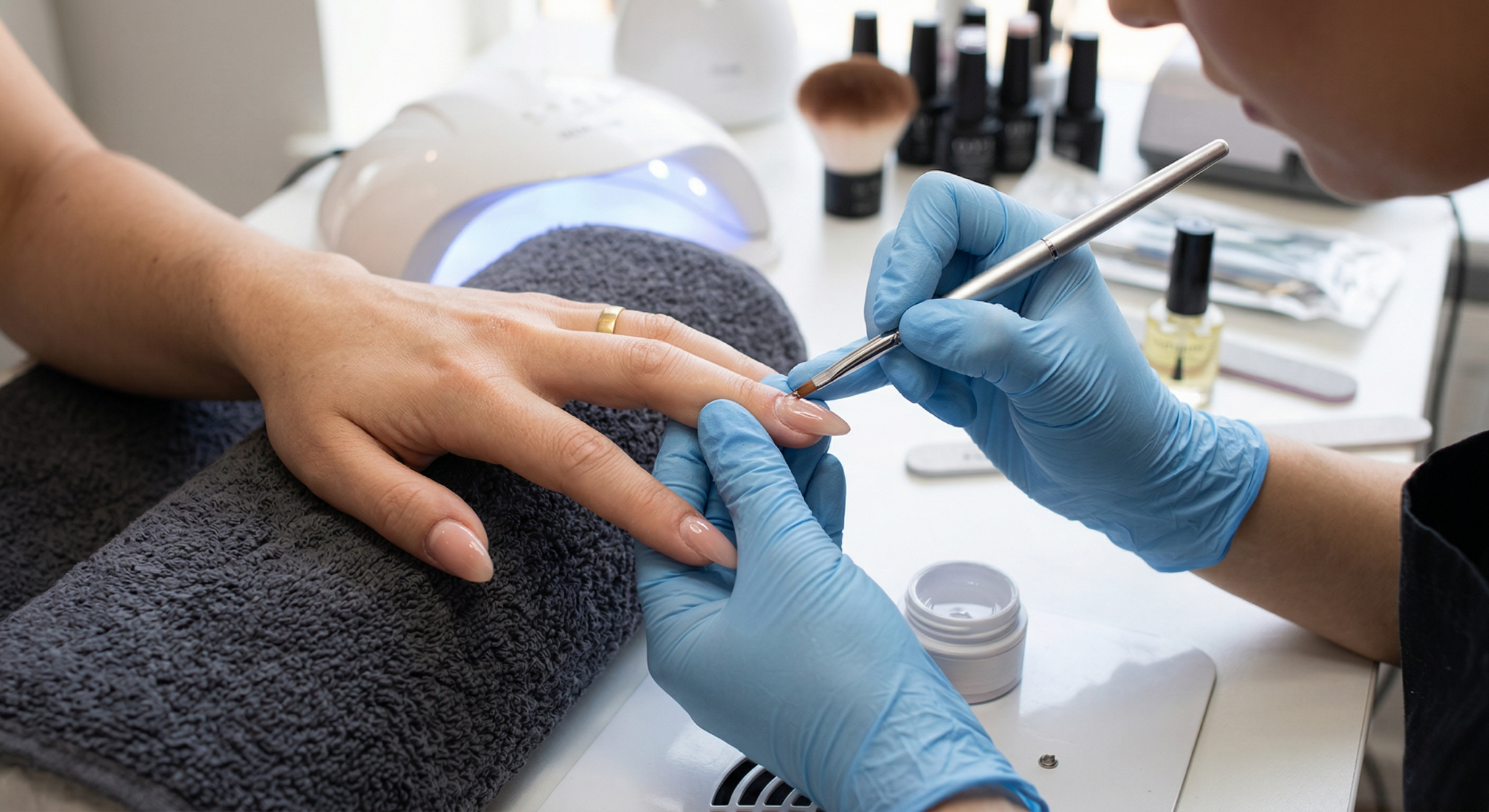
Photo credit by: bellemi.sg
EU salons had to audit their polish collections and remove anything containing TPO, which for many was a small fraction of their stock. The bigger cost was time: checking every bottle and replacing the affected shades.
Outside the EU, salons face no such requirement, though many international brands now ship a single global TPO-free formula to simplify production. If your salon mentions a formula change, it is usually that simplification rather than a local rule. Salons report the same pattern across fall gel nail ideas as formulas have standardised.
10. What to Do With Old TPO Polish
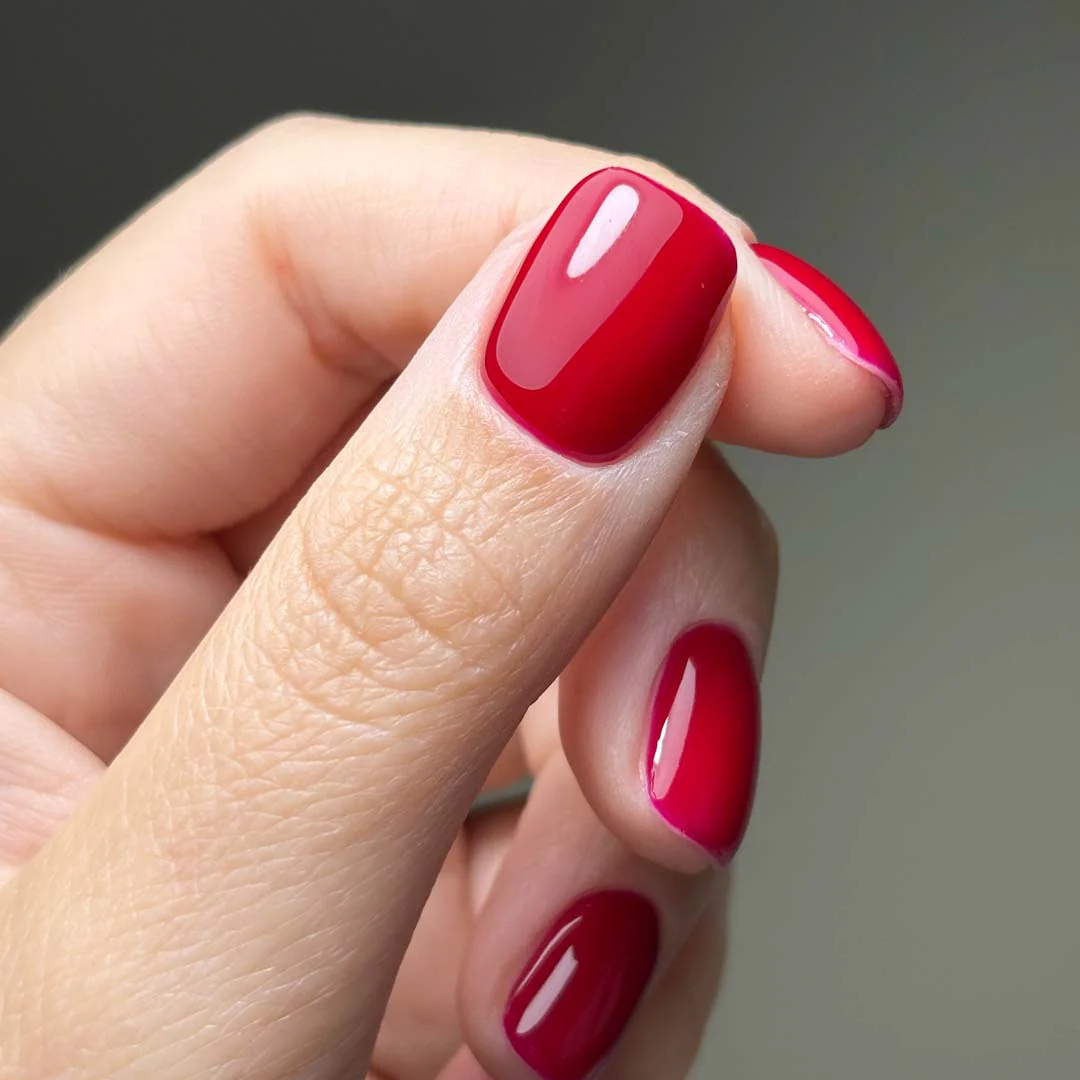
Photo credit by: mollyrose.nl
In the EU, TPO-containing cosmetics should not be sold or used professionally after the ban date, and leftover stock is meant to be disposed of through proper cosmetic waste routes rather than poured away. Home users are not fined for owning an old bottle, but it should not be used in a professional setting.
Outside the EU, the polish remains legal to use, and throwing away a working bottle is a personal choice rather than a requirement. If you do dispose of it, treat it like other nail products and keep it out of drains. Home users with short gel nails for summer will find the same guidance applies.
11. The EU Hazard-Based System vs the US Risk-Based System
Photo credit by: dahree.com
The EU regulates cosmetics on hazard: if a substance could cause harm at any level, it is restricted or banned unless proven safe in its actual use. The US follows a risk-based approach, weighing whether real-world exposure is actually harmful.
That difference explains why TPO is banned in the EU and still legal in the US. It is not that one side found different facts, but that the two systems answer a different question, and the EU answer is deliberately more precautionary.
12. The 2014 Safety Opinion That Changed
Photo credit by: meowaesthetics.com
Back in 2014, EU scientists concluded TPO was acceptable in nail products, reasoning that the chemical is consumed during curing and locked into the hardened polish, so very little should ever touch the skin. For nearly a decade that opinion stood.
The picture changed in late 2023 when TPO was formally classified as a reproductive risk. Once the CMR label applied, the earlier safety opinion no longer mattered under EU law, and the ban became automatic. The contrast shows up clearly in gel-x nail designs, which rely on the same curing chemistry.
13. Why There Was No Grace Period
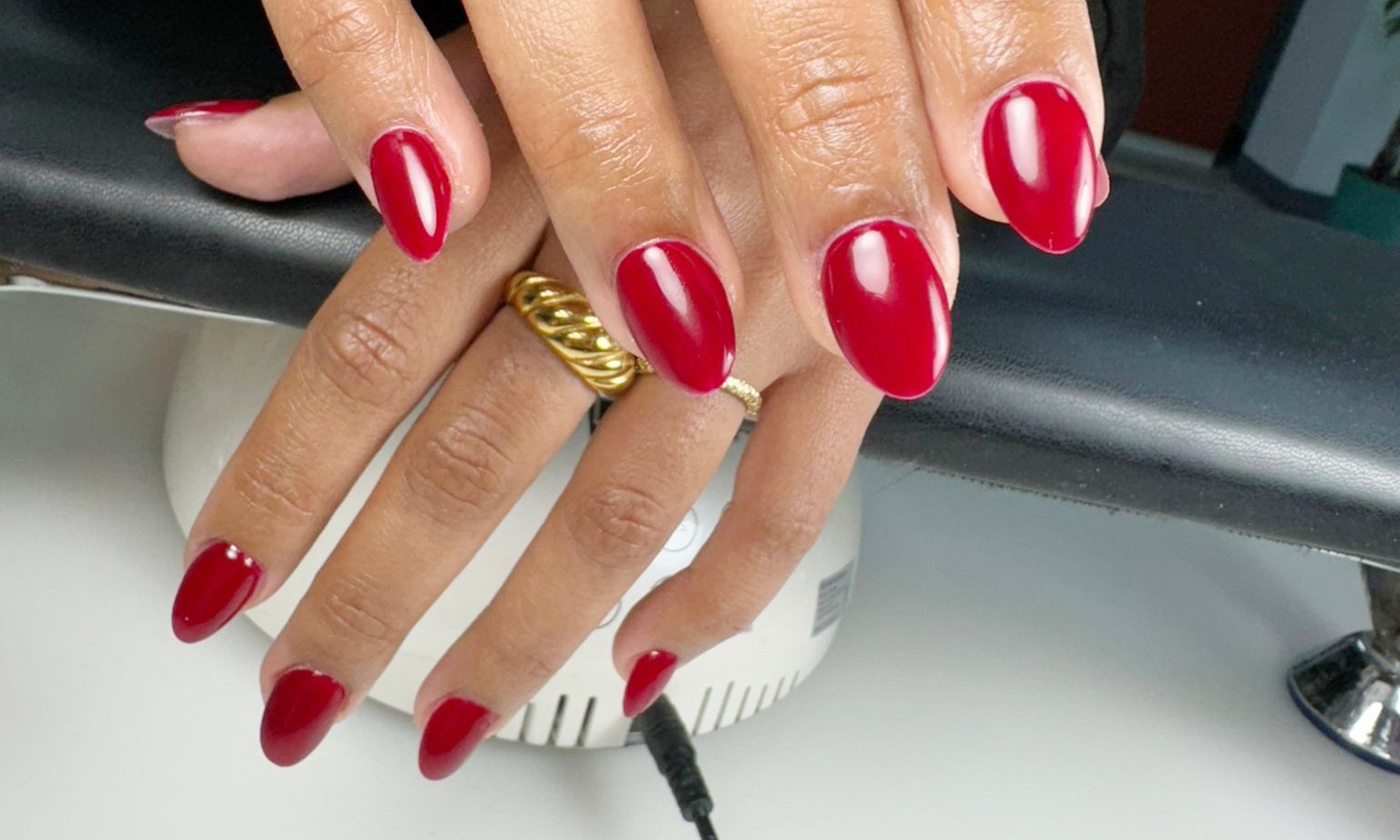
Photo credit by: groupon.com
Unlike some cosmetics changes that allow a sell-through window, the TPO ban gave salons no grace period for using up old stock. The rule took effect on the enforcement date and that was that.
The abruptness is what made the story feel dramatic in salon circles, even though the underlying decision had been visible for months. It is a useful reminder to watch regulatory calendars, since cosmetics rules rarely arrive with a long runway.
14. The UK Plans to Follow by 2026
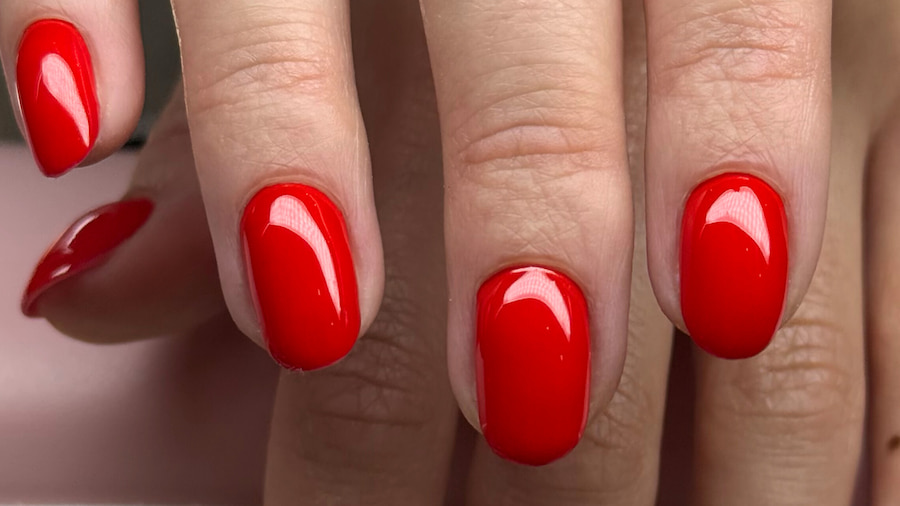
Photo credit by: sistersandbeauty.com
The UK left the EU before the ban but tracks its cosmetics rules closely, and it is expected to adopt a similar TPO restriction. Timelines have pointed to 2026, though the exact date depends on the UK regulatory process.
For UK salons and buyers, the practical effect is the same preparation the EU went through: check labels, swap affected shades, and expect brands to ship TPO-free formulas as standard. If you want the wider context on gel wear, these gel nails and gel nail polish guides cover the formats most affected.
15. The Misinformation Spiral
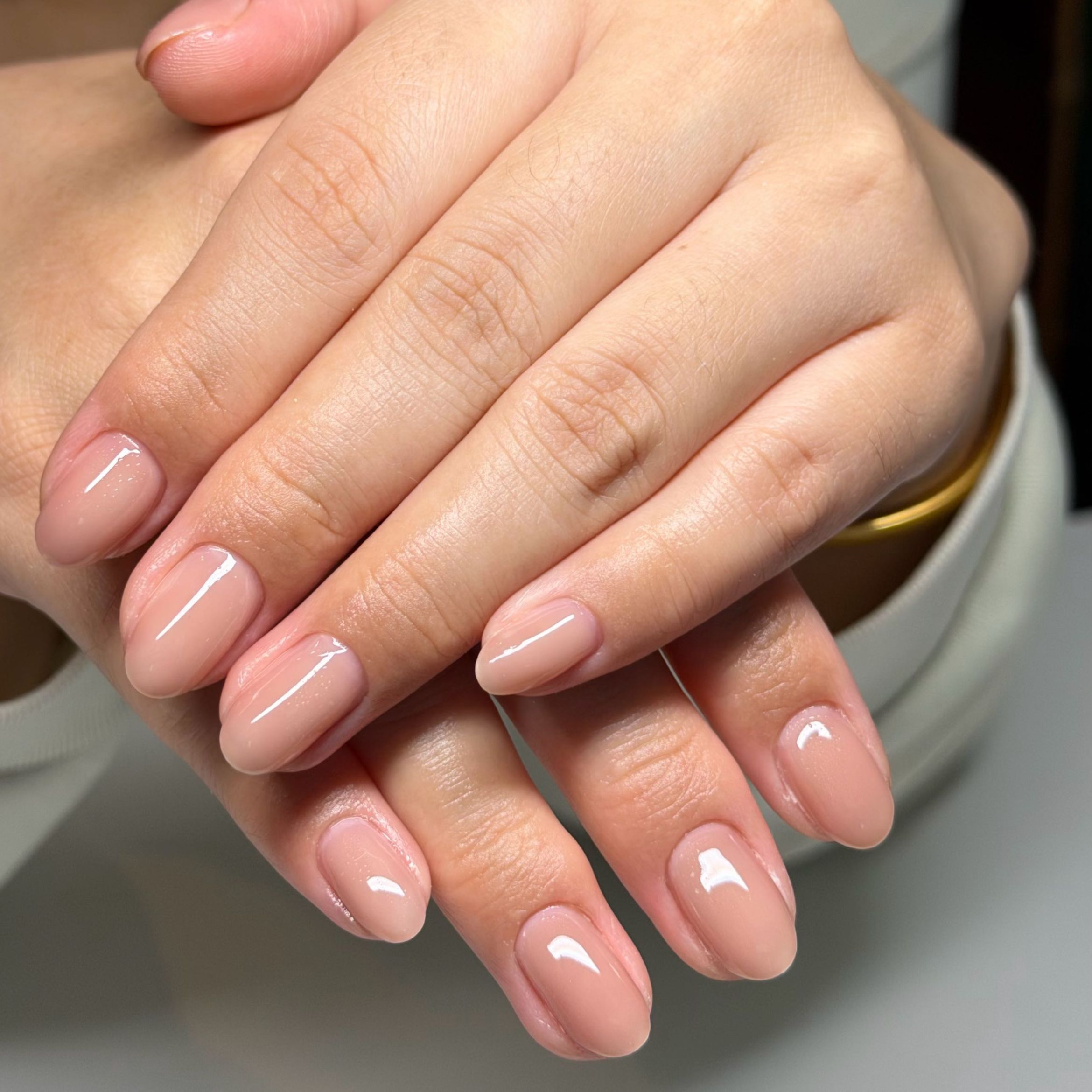
Photo credit by: booksy.com
Within days of the announcement, headlines and short videos were claiming gel polish caused infertility and that all gel products were toxic. Neither claim matches the evidence, but both travelled far faster than the correction.
The confusion grew bad enough that the European Commission published an official FAQ spelling out that only one ingredient was banned. When a beauty claim sounds absolute, checking the regulator’s own page is usually the fastest way to find the actual scope.
16. What the Evidence Says About Fertility
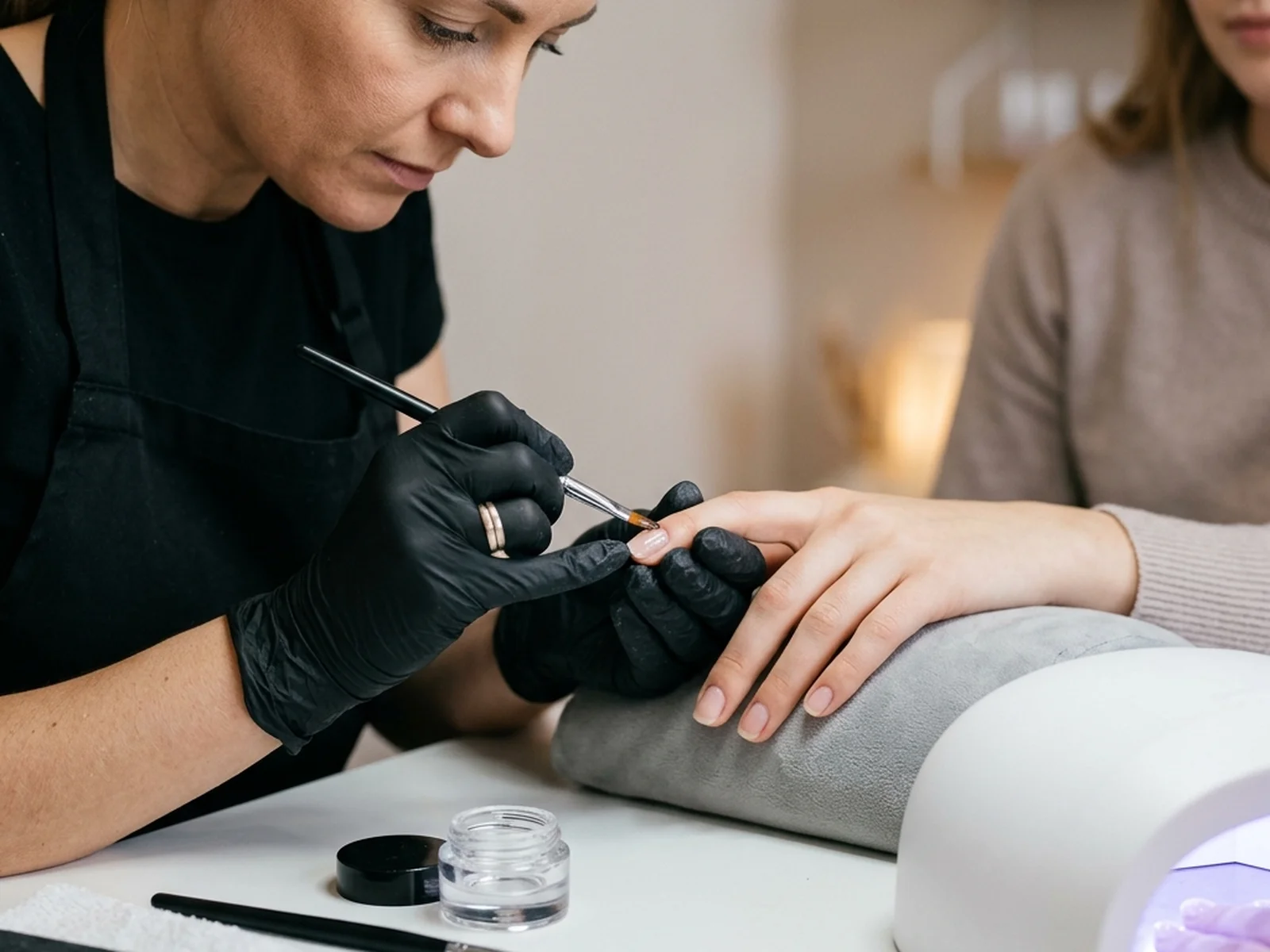
Photo credit by: salonsincanada.ca
There is no evidence that normal gel manicure use affects human fertility. The animal studies behind the classification used doses far higher than anything a manicure delivers, and the polish is cured into a solid layer rather than absorbed.
That does not make the EU decision wrong; it makes it precautionary, which is a different thing. A hazard-based system bans on possibility, while the evidence question is about real-world exposure, and the two should not be confused. A quick look at short gel nails shows how little actually changed on the shelf.
17. The European Commission FAQ
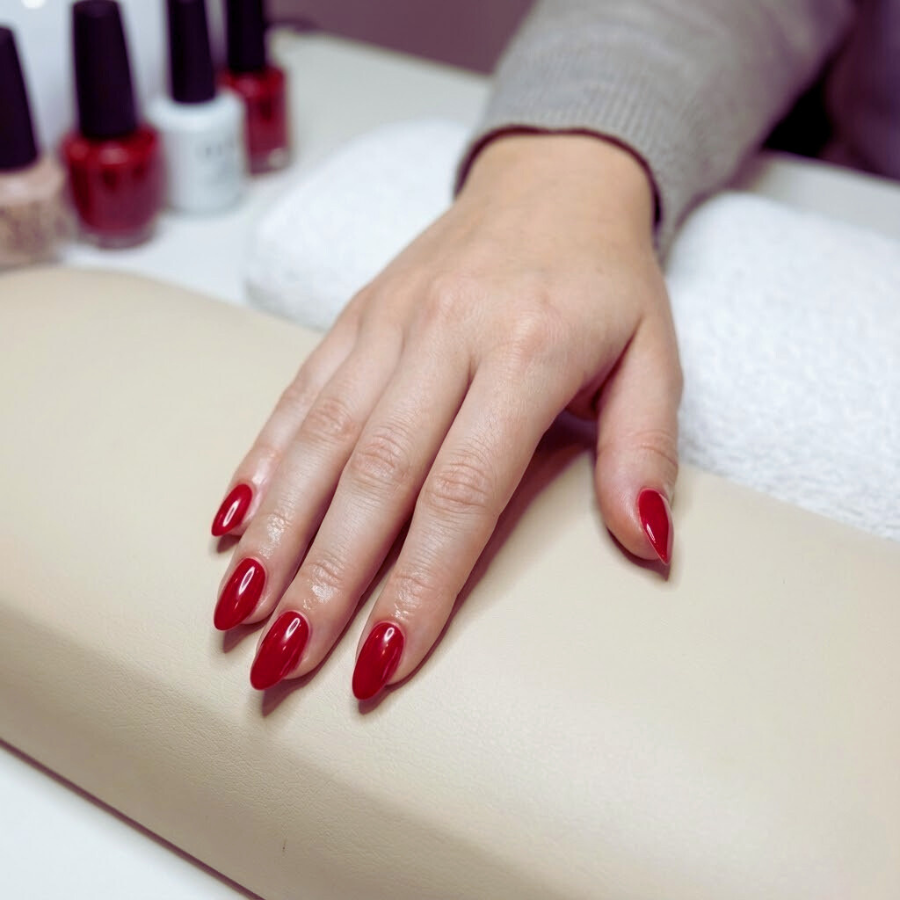
Photo credit by: salon1150.com
The Commission’s FAQ was unusually direct, effectively telling the public that only one ingredient had been banned and that gel manicures themselves were unaffected. It exists because the misinformation was loud enough to need an official answer.
The FAQ is also the most useful source to share when someone repeats the ban claim. It comes from the body that made the rule, it is short, and it settles the question without needing a chemistry background.
18. Questions to Ask Your Nail Tech
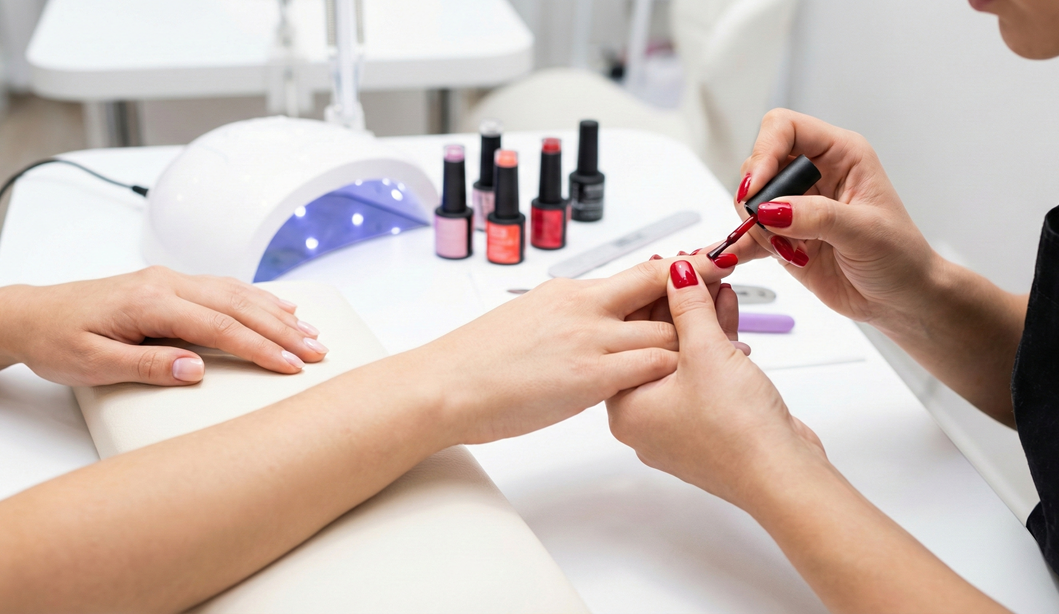
Photo credit by: dewisrispawellness.com
A good question at your next appointment is simply which brands the salon uses and whether any formulas changed. Most techs will know immediately, since they handled the stock audit themselves.
You can also ask whether a favourite shade was reformulated or discontinued, and whether wear time changed with the new formula. These are practical questions, and they get practical answers, unlike the vague worry the headlines created.
19. Gel Manicures Are Still Legal
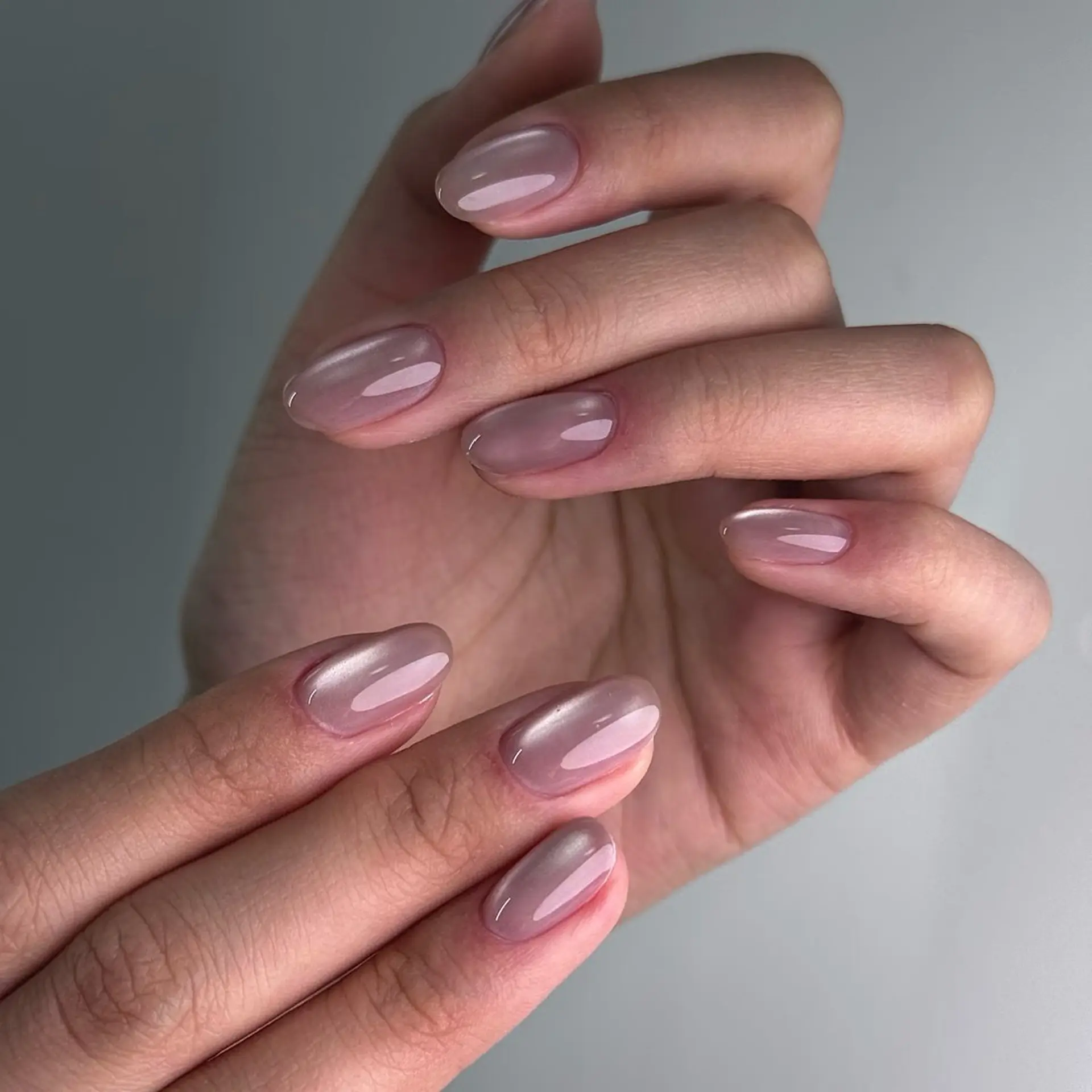
Photo credit by: minimodel.jp
Nothing in the EU decision bans gel manicures, gel polish as a category, or the lamps used to cure them. The treatment is exactly as legal as it was before September 2025, just with a different ingredient doing the curing in some formulas.
That is the sentence worth remembering when the topic comes up: one ingredient down, gel nails still very much up. The range of gel nail colours and short gel nails available today is essentially the same as before the change.
20. The Bottom Line for Your Next Manicure
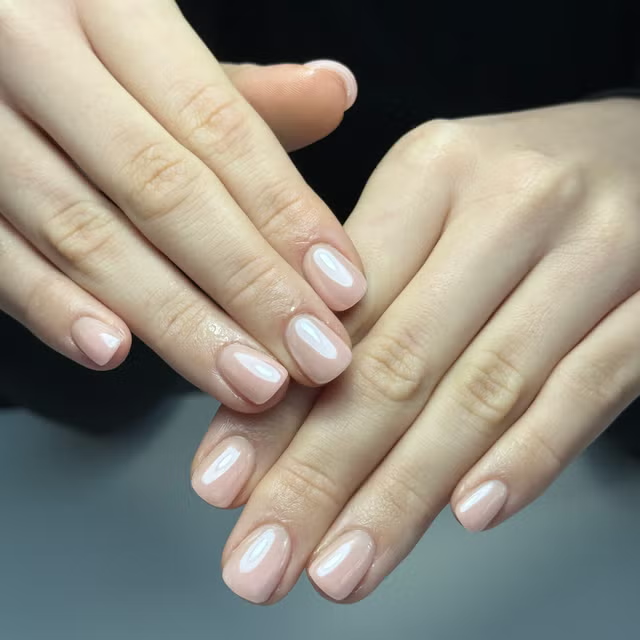
Photo credit by: images.fresha.com
For most people the ban changes nothing about the appointment: same lamp, same shine, same two to three weeks of wear. The visible difference is a TPO-free note on some bottles and a few discontinued shades.
If you buy polish for home use, check the label once and then stop worrying. If you visit a salon, the audit already happened for you. The gel manicure survived this rule change intact, and the next scare headline deserves the same quick fact-check this one did.
Final Thoughts
The TPO story is really a story about how regulation works: a single ingredient, flagged on precautionary evidence, removed from one market while the treatment itself carries on unchanged. The panic came from headlines that skipped the detail, and the detail is reassuring once you have it.
- Look for TPO-free on the label when buying gel polish in the EU.
- Ask your salon which brands they use and whether formulas changed.
- Do not throw away working polish outside the EU unless your local rules say so.
- Treat viral beauty bans with a quick check of the official source before worrying.
One ingredient changed; the manicure did not. Check the label, ask your tech, and carry on booking.

Hi, I’m Zoey Mitchell, the creator of ChicStyle Blog.
I share simple, wearable outfit ideas, hairstyles, nail trends, and beauty tips that feel natural and easy to recreate.
This blog is where I explore everything that makes a woman feel put together and confident every day. I’m not an expert — just a woman who genuinely loves style, mixing looks, and discovering what works.
If you love effortless fashion with a personal touch, you’ll feel at home here.