Hair colour is the fastest way to change how a familiar cut feels, and 2027 is shaping up as a year of contrasts: soft, lived-in balayage sits alongside unapologetic vivid colour, and quiet natural tones share space with split dyes and sunset ombrés. The thirty-three ideas below cover that whole range, from chocolate brown warmed with caramel to icy blue bobs and fiery copper waves, each with an honest note on what the upkeep really looks like before you book the appointment. You’ll find the same spirit in Fox Hair Color Ideas To Transform Your Look In 2026.
1. Chocolate Brown With Soft Caramel Ribbons

Photo credit by: ladyline.me
Chocolate brown is a generous base colour because it already has depth, and fine caramel ribbons woven through it add light exactly where hair moves. The result reads as dimensional rather than striped, especially when the lighter pieces are kept finer around the face and slightly bolder toward the ends. For readers who want more, Winter Hair Color 2027 keeps the ideas coming.
This is one of the kindest colours to grow out, since the caramel softens into the brown instead of leaving a hard line. A gloss every couple of months keeps the warmth from turning dull, and colour-safe shampoo helps the ribbons stay golden rather than brassy. If this look speaks to you, Winter Blonde Hair Colors For 2026 2027 continues the thread.
2. Deep Berry Red Warmed by a Brown Base
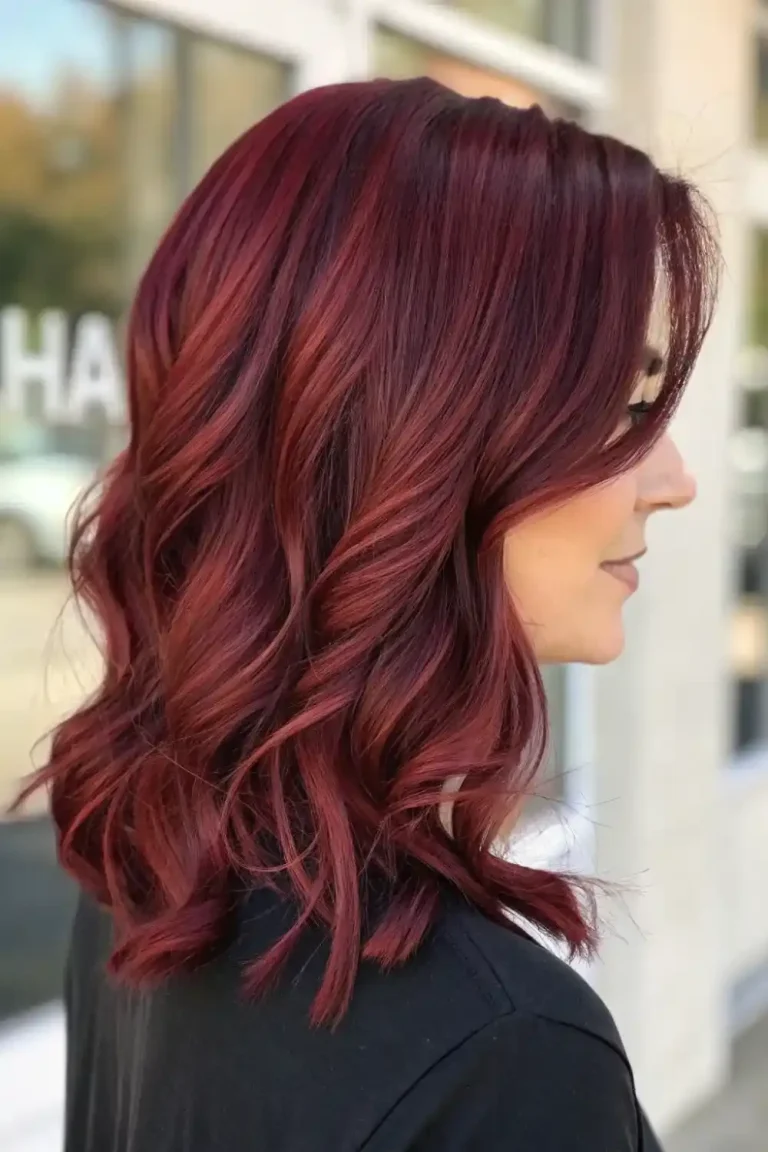
Photo credit by: herstylepulse.com
Berry red can easily tip into costume territory, but grounding it in a brown base keeps it wearable. The berry reads as a rich, wine-like glow in daylight and deepens to something almost burgundy indoors, which makes it flattering across a wide range of skin tones.
Red pigment fades faster than most colours, so cool water, sulfate-free shampoo and a colour-depositing conditioner are worth the effort here. Expect the berry to soften over four to six weeks, with the brown base holding the shape of the colour long after the brightest tones have settled.
3. Ash Brown Lifted by Blonde Balayage
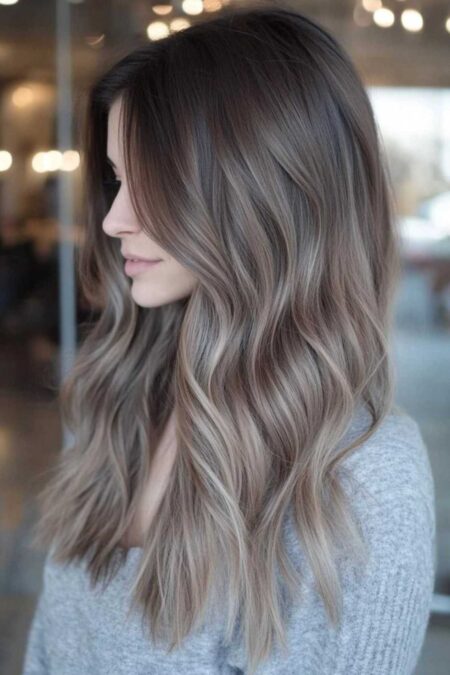
Photo credit by: tressnails.com
Ash brown on its own can look flat, which is exactly why a blonde balayage suits it so well. The cool brown keeps the overall tone calm and neutral, while the hand-painted blonde pieces add light through the mid-lengths and ends without introducing warmth you did not ask for.
Because balayage is painted rather than foiled from the root, the grow-out stays soft for ten to twelve weeks. A purple-toning shampoo used sparingly keeps the blonde pieces from warming up, though overusing it can push ash tones toward grey, so once a week is plenty.
4. Dark Blonde Warmed With Honey Balayage

Photo credit by: looksniceonme.com
Dark blonde with honey balayage lives in the warm middle ground between blonde and light brown, and that is its charm. The honey pieces catch the light like sun on hair at the end of summer, giving the whole colour a healthy, lit-from-within quality that suits everyday wear.
The transition here is gradual by design, so regrowth looks intentional rather than neglected. Touch-ups every ten to twelve weeks are usually enough, and a weekly hydrating mask matters more than any toning product, since honey tones fade gracefully rather than turning brassy overnight.
5. Rich, Vibrant Deep Red That Holds Its Depth
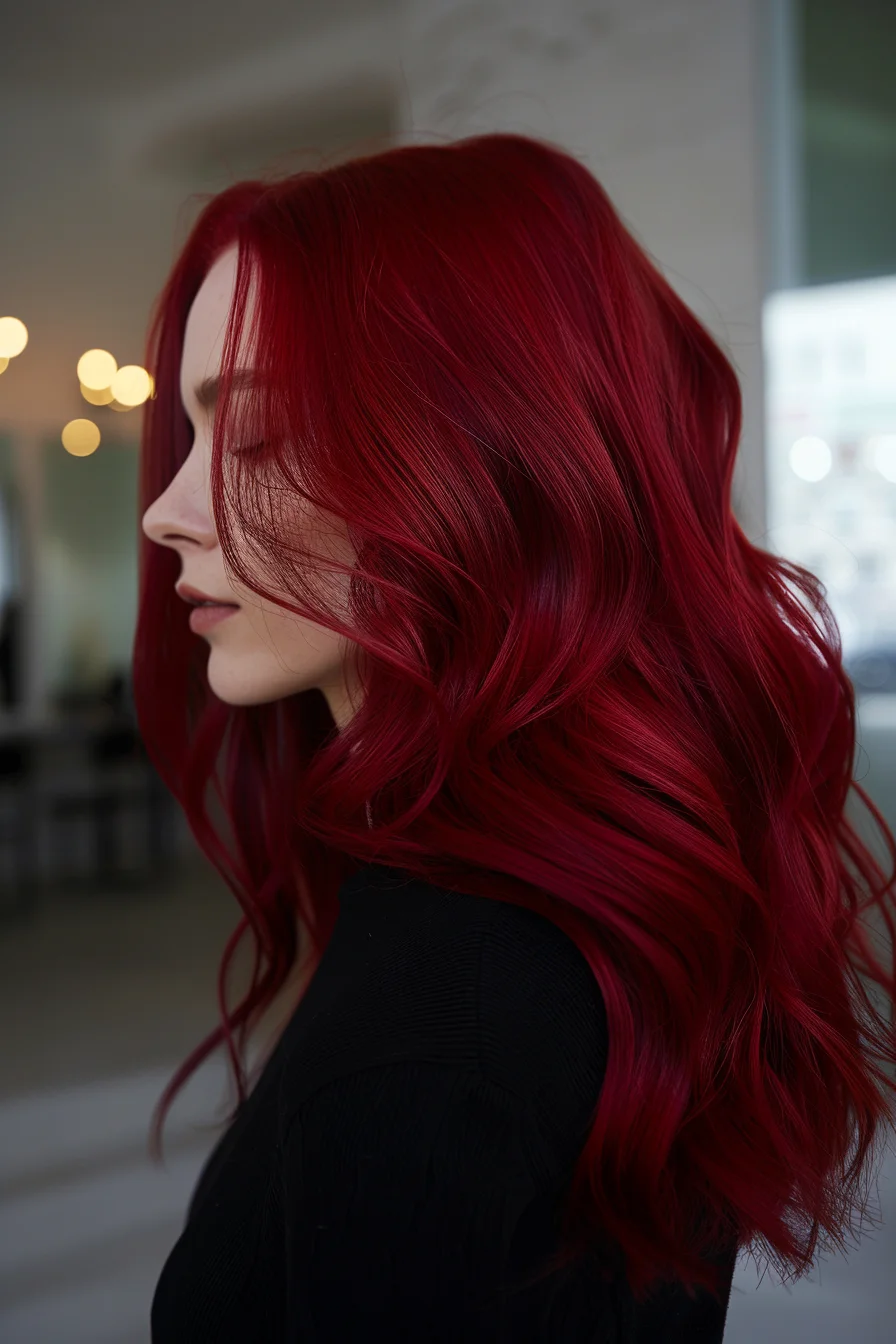
Photo credit by: gemmaetc.com
A deep, vibrant red has a reputation for fading fast, and honestly it earns it — but starting from a darker, richer red rather than a bright cherry gives the colour much more staying power. The depth means that as the brightest layer softens, what remains still looks like a deliberate shade rather than a washed-out one.
Cool rinses and colour-safe products are non-negotiable if you want this to last past the first month. A salon gloss every six weeks or so revives the shine that red tones lose first, and it is a far cheaper habit than a full recolour. See also Dazzling Christmas Hair Color Ideas For 2026 for more variations on this look.
6. Dark Brown With Soft Blonde Balayage
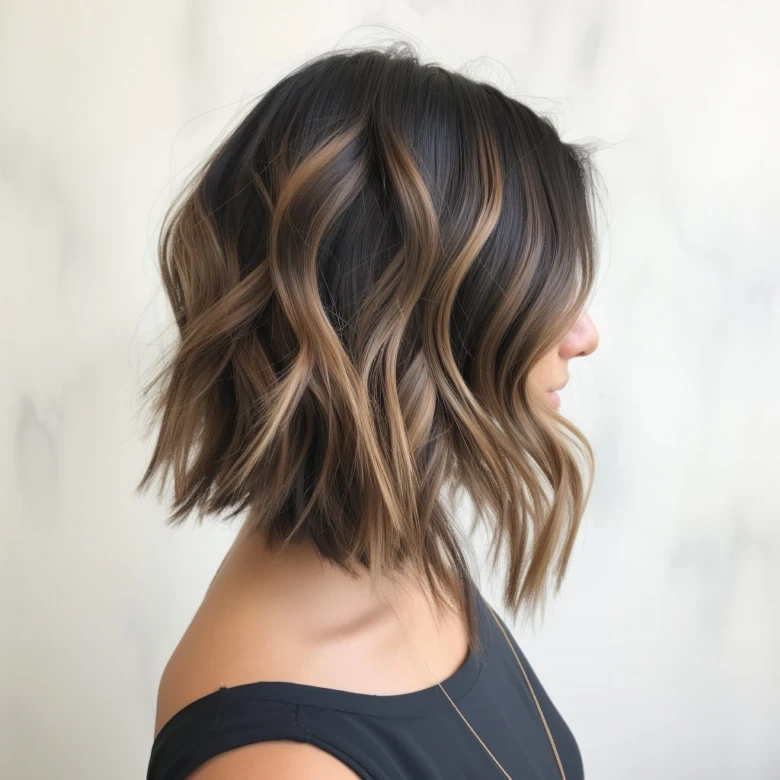
Photo credit by: glamdew.com
Keeping the roots dark and placing blonde balayage through the lengths is the classic low-maintenance formula, and it works just as well on a shorter cut as on long hair. The dark base frames the face and gives the colour weight, while the blonde pieces stop the whole look from feeling heavy.
On a bob-length cut the placement matters more, since there is less length for the blend to happen across. Ask for the lightest pieces to sit where hair naturally catches light — around the face and at the ends — and the grow-out will stay soft for months.
7. Pastel Mint Green for a Fresh, Cool Finish
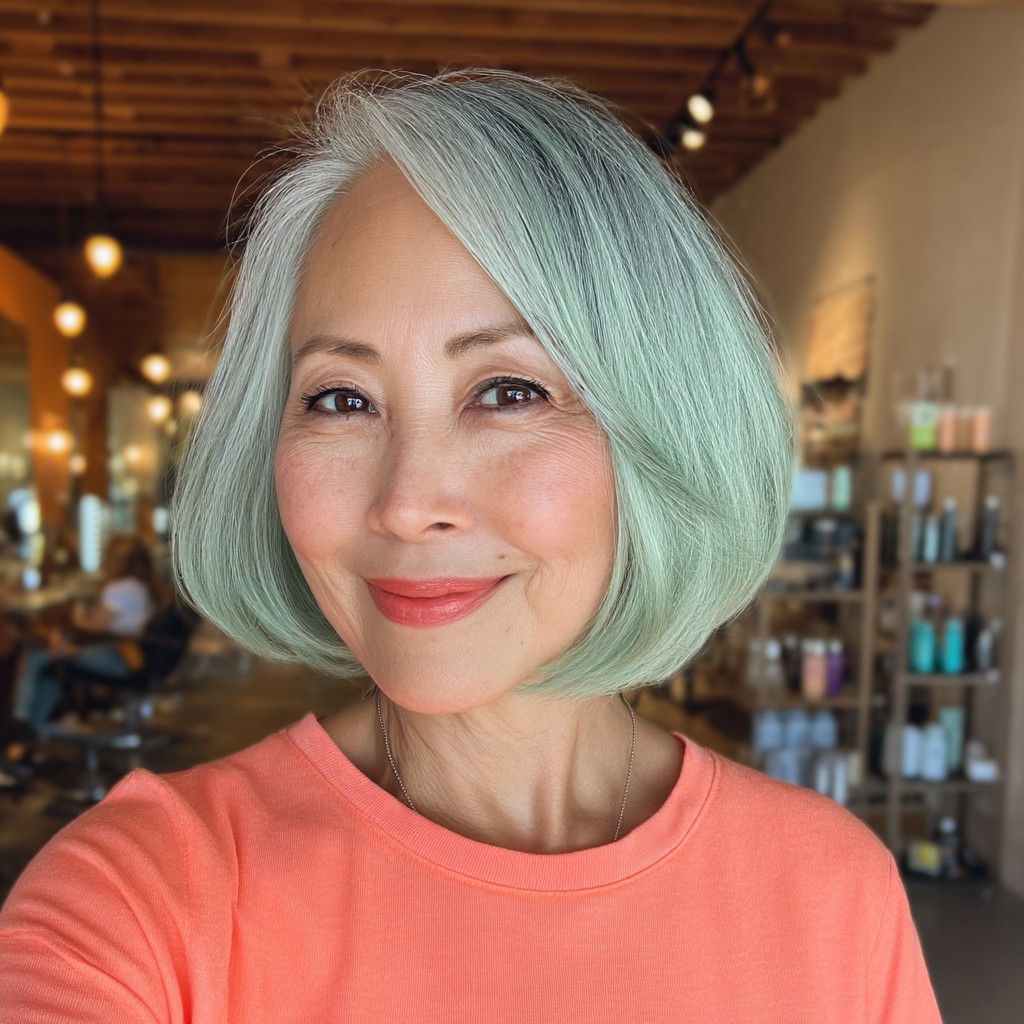
Photo credit by: latest-hairstyles.com
Mint green is a pastel that only works on a very pale base, so the pre-lightening is the real commitment here, not the green itself. Once that canvas is ready, the mint reads as fresh and cool rather than loud — more like sea glass than neon — especially on a rounded bob where the shape does half the talking.
Pastels fade quickly by nature, so this is a colour for someone who enjoys refreshing it. A colour-depositing conditioner in a matching mint tone stretches the time between salon visits, and washing less often, in cooler water, slows the fade noticeably.
8. Deep Red With Warm Auburn Undertones
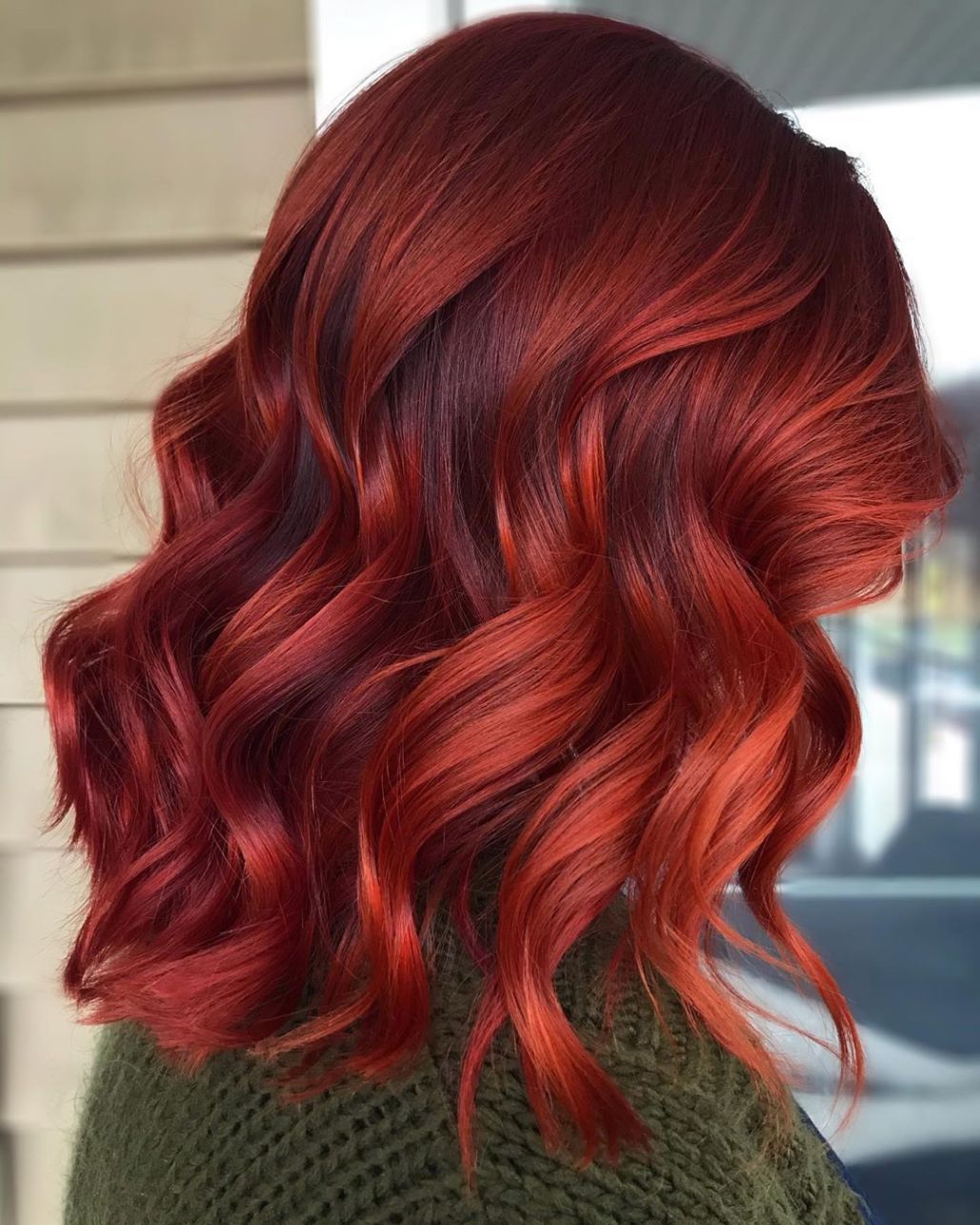
Photo credit by: favoritehairstyles.com
Deep red with auburn running underneath it has a warmth that a flat red cannot match. In waves, the two tones separate and recombine as the hair moves, so the colour looks layered even when the application itself was fairly simple.
The trade-off is that the auburn will warm up further as it fades, drifting toward copper after a few weeks. That drift suits plenty of people, but if you want to hold the cooler deep-red side of the shade, plan on a toning appointment every four to six weeks.
9. Deep Red Made Dimensional With Dark Lowlights
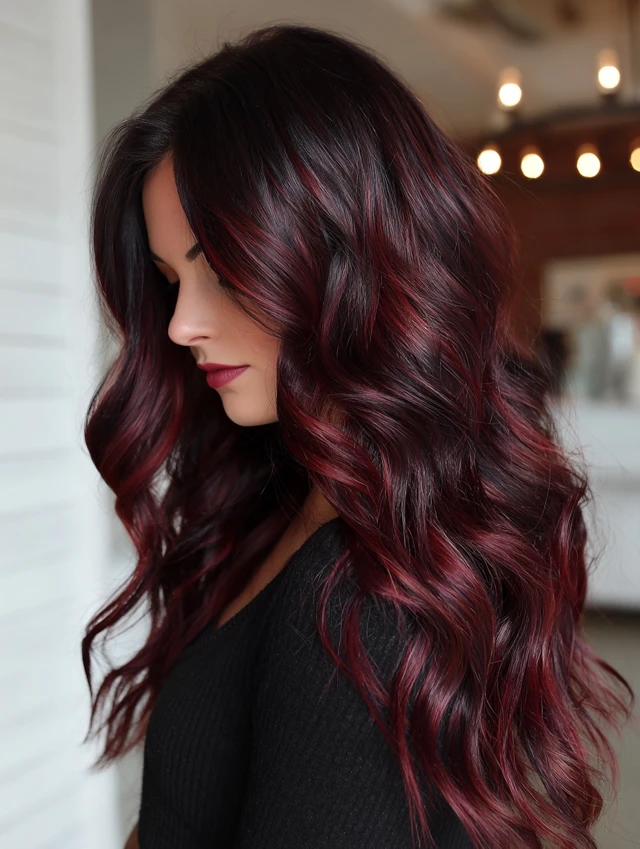
Photo credit by: samhairstyles.com
The difference between a flat red and an expensive-looking one often comes down to lowlights. Darker red tones placed underneath the surface give the colour shadow and movement, so it reads as glossy and dimensional instead of a single block of pigment.
This is a salon technique worth paying for, since lowlight placement is hard to judge from the back of your own head. The payoff is a longer-lived colour: as the brighter surface tones soften, the darker dimension underneath keeps the whole shade looking intentional. For a different spin on the same theme, browse Winter Red Hair Color Trends 2026 2027 You Need To See.
10. Soft Pastel Pink on a Chin-Length Bob
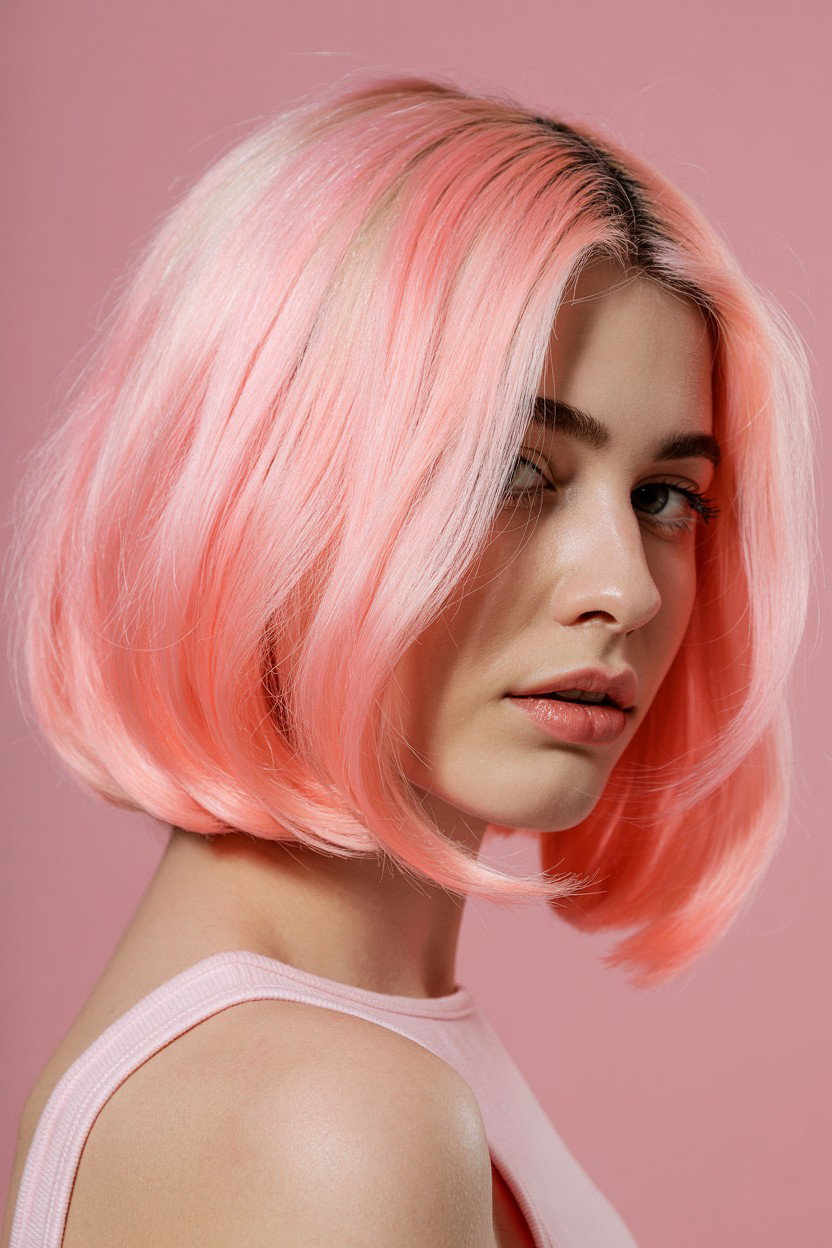
Photo credit by: lemonademakinmama.com
Pastel pink on a chin-length bob is a deliberate, polished kind of statement — soft in tone, sharp in shape. The short length keeps the colour from feeling overwhelming, and the bob’s clean lines let the pink read as a fashion choice rather than an experiment.
Pastels fade fastest of all, especially on fine hair, so expect to refresh this regularly. A trim every six to eight weeks keeps the bob shape crisp, and a pink colour-depositing shampoo helps stretch the time between salon visits without dulling the tone.
11. Ash Blonde Brightened With Platinum Pieces

Photo credit by: egitimkultur.com
Cool ash blonde with platinum pieces woven through it avoids the flatness that a single cool tone can fall into. The platinum catches light in fine strands rather than broad stripes, so the colour has movement without looking over-highlighted.
A root shadow or slightly darker root area is what makes this livable day to day, buying several extra weeks before regrowth shows. A purple shampoo once a week keeps the platinum from warming, and highlight touch-ups every eight to ten weeks are usually enough.
12. Dimensional Blonde Softened by a Root Shadow
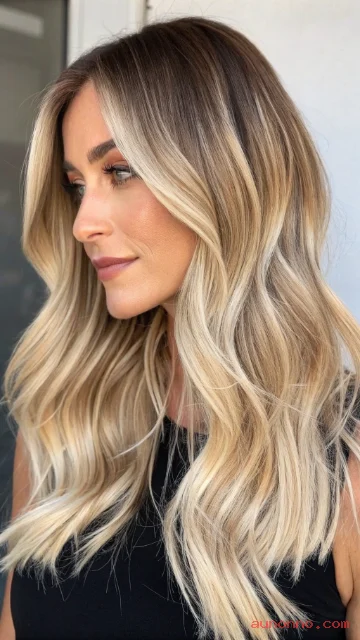
Photo credit by: aunonno.com
Choosing between solid blonde and dimensional blonde usually comes down to maintenance, and the root shadow is what tips the balance. A darker root melted into creamy blonde lengths lets grow-out blend for weeks longer than a single-process blonde, while the face-framing pieces keep the colour bright where it counts.
The shadow itself is a salon application, painted on before the highlights, so it is not a home project. The reward is a blonde that still looks finished at week six, with toning appointments doing most of the upkeep work in between.
13. Red-to-Orange-to-Pink Sunset Ombré
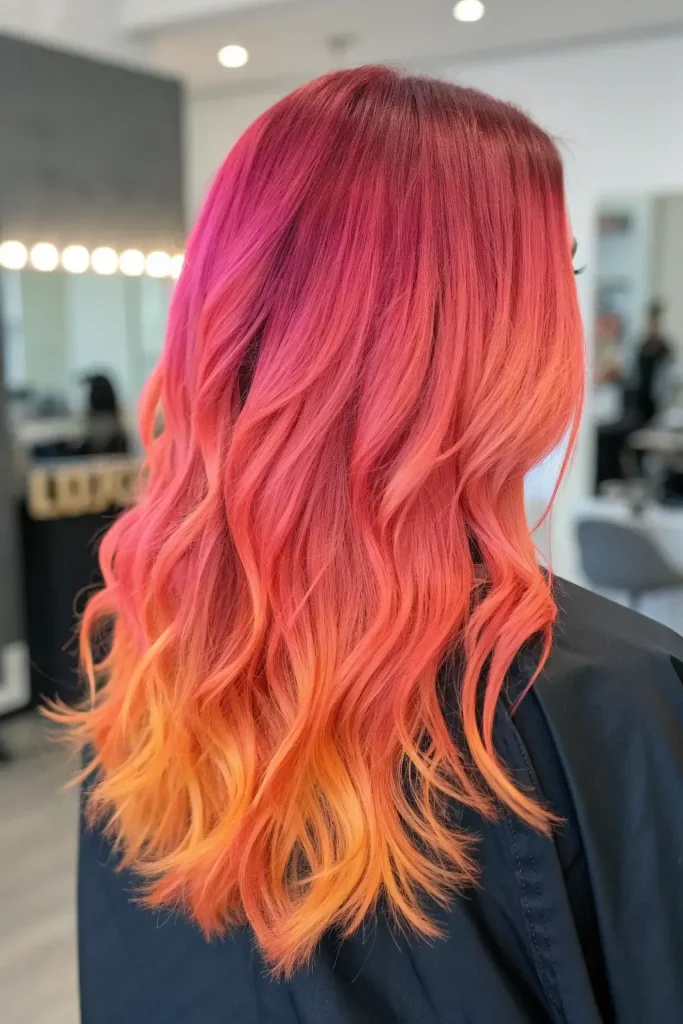
Photo credit by: herstylepulse.com
A sunset ombré packs three warm tones into one gradient, moving from red through orange into pink, and it needs length and a soft blend zone to work. When the transitions are melted rather than striped, the colour reads as one continuous glow instead of three separate dyes.
Pre-lightening to a pale base is essential before any of these shades go on, which usually means more than one salon session. The pink ends will fade first, so a colour-depositing conditioner in pink helps hold the gradient’s shape between appointments. We break down a similar look in Lived In Blond Ideas To Transform Your Hair Color In 2026.
14. Warm Copper Lit With Orange and Red Highlights
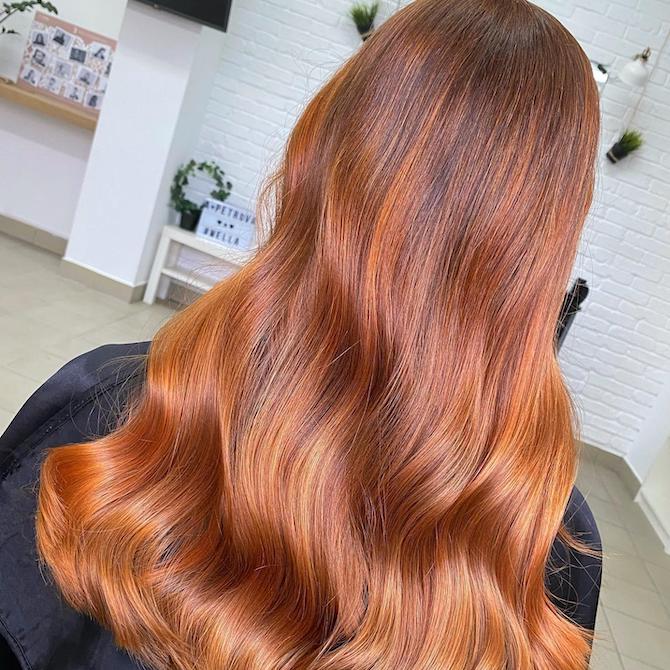
Photo credit by: wella.professionalstore.com
A true copper base with orange and red highlights layered through it shifts colour as the hair moves, which is the whole appeal. The copper stays the anchor, the orange warms the mid-lengths, and the red deepens the ends, so no two angles look quite the same.
Copper pigment fades faster than most warm tones, so a colour-depositing conditioner in a copper shade is the most useful product for this look. A gloss every six weeks or so keeps the orange and red pieces from collapsing into one muddy warmth.
15. Bold Teal on a Sharp Short Undercut

Photo credit by: salonlofts.com
Teal on a short undercut is as much a shape as a colour: the clipped sides remove bulk so the longer top can sit smooth and graphic, and the saturated teal makes the silhouette impossible to miss. Fine, straight hair is actually an advantage here, since it lies flat and lets the colour read cleanly.
The honest trade-off is frequency. The undercut needs a trim every three weeks or so to keep its line crisp, and semi-permanent teal fades within four to six weeks, so this is a high-attention look that rewards someone who enjoys regular salon visits.
16. Black Hair With Bright Blonde Money Pieces

Photo credit by: trendyuniverse.com
The whole design here is contrast: a deep black base with bold blonde pieces that frame the face from the root, kept deliberately separate from the rest of the hair. That sharp separation is what makes it graphic rather than just highlighted, and a middle part keeps the two sides symmetrical.
The blonde pieces need toning every six to eight weeks to stay bright against the black, since platinum shows warmth quickly. The grow-out, though, is low-stress — the pieces start at the root by design, so regrowth blends into the look rather than ruining it.
17. Deep Red Brightened by Auburn Highlights
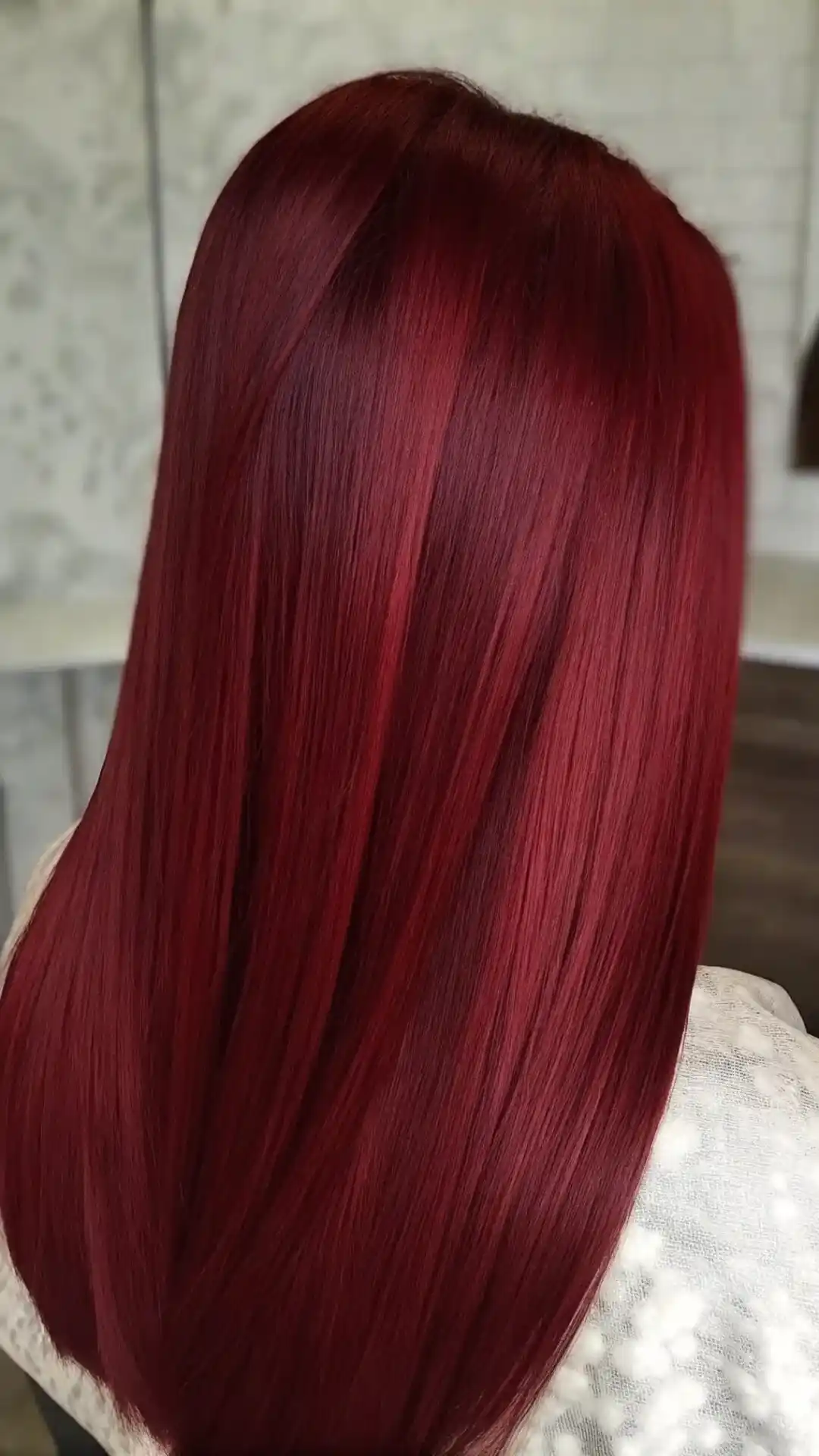
Photo credit by: herstylepulse.com
A deep red base with auburn highlights threaded through the face and mid-lengths gets warmth without losing its depth. The auburn pieces brighten the overall tone, so the red reads as rich and lively rather than dark and flat, especially in soft waves.
Wash with cool water and sulfate-free shampoo to slow the fade on both tones, since the auburn will shift toward copper sooner than the base softens. A salon gloss every six to eight weeks brings back the shine that red tones tend to lose first.
18. Glossy Platinum Blonde in Soft Waves
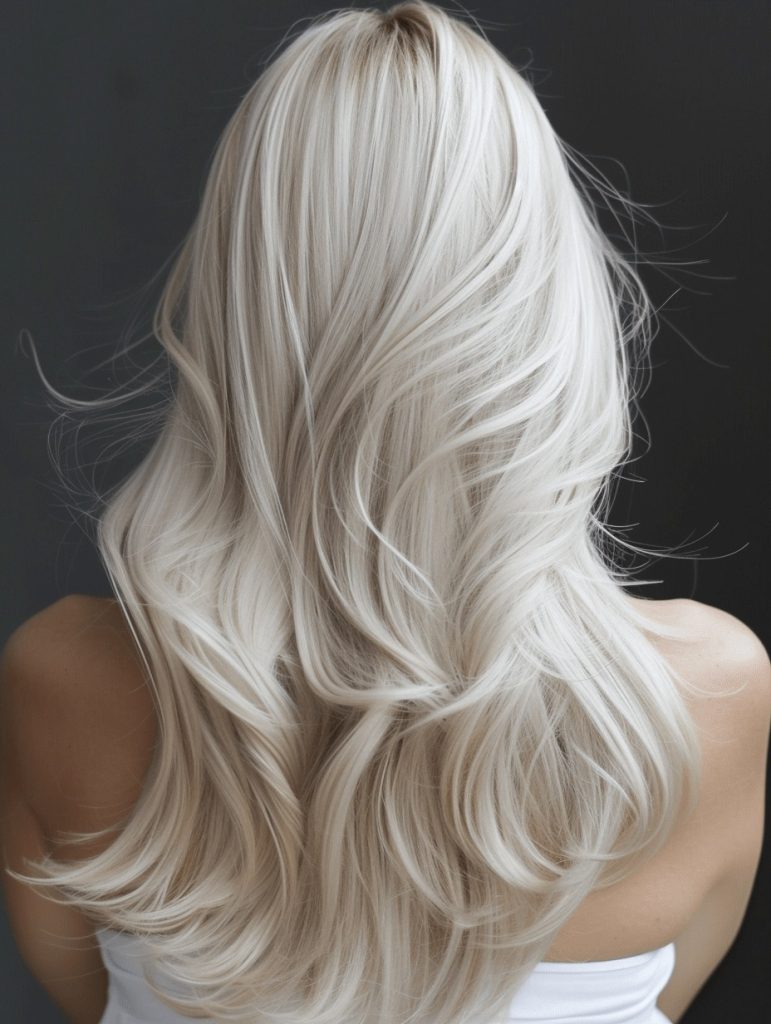
Photo credit by: yourwifeknows.com
Glossy platinum blonde in soft waves is a high-shine, high-commitment colour: the lightening alone takes several sessions if you are starting from a darker base, and the waves add volume that fine hair does not always have on its own. The payoff is a bright, even blonde that photographs beautifully. We covered this territory more deeply in November Hair Colors 2026.
Maintenance is mostly about tone and condition. A purple shampoo once a week holds brass at bay, weekly deep conditioning keeps lightened hair from turning brittle, and toning appointments every four to six weeks keep the platinum cool rather than yellow.
19. Blue-to-Purple Gradient Colour

Photo credit by: glaminati.com
A gradient that moves from deep blue at the roots through violet into lighter blue at the ends only reads as intentional when the transitions are soft. On wavy, longer hair the colour shift has room to breathe, so it looks like a planned fade rather than colour washing out.
Talk through three tones with your colourist — a deep navy or midnight blue at the root, a violet through the middle, and a paler blue at the ends — and expect pre-lightening to a pale blonde first. The blue will fade fastest at the ends, so a blue colour-depositing conditioner helps hold the gradient’s shape.
20. Rich Copper With a Warm Red Glow
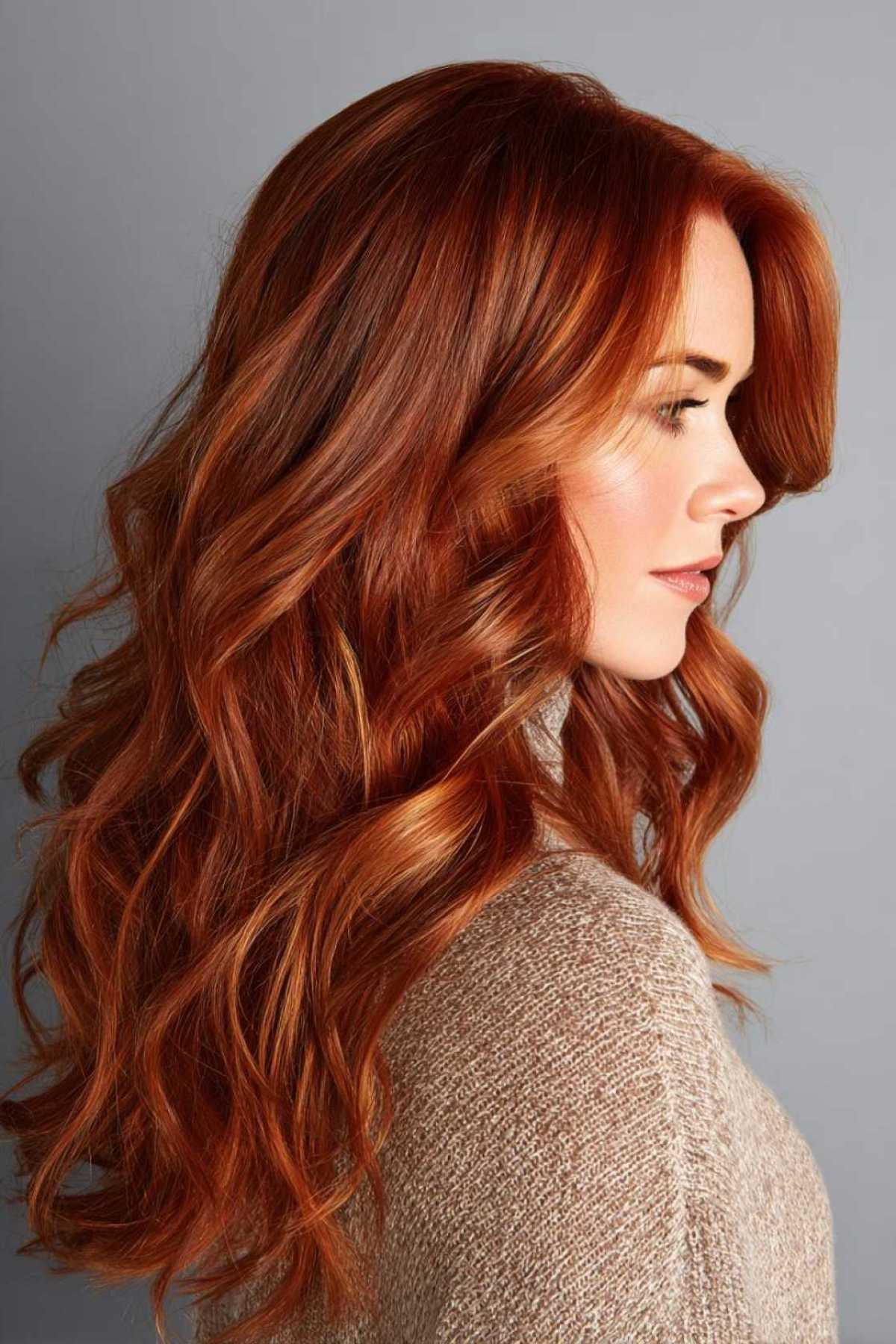
Photo credit by: tressnails.com
Rich copper with red glowing underneath it is a lot of warmth worn well: the copper gives the shade its brightness, while the red undertones stop it from reading as flat orange. On longer, wavy hair the tones separate at different angles, so the colour looks dimensional without any highlights at all.
Copper fades faster than most reds, and the day-one vibrancy will soften toward a gentler orange within a few washes. A colour-depositing conditioner in copper and a toning appointment every six weeks keep the red glow from slipping away entirely.
21. Bright Orange Worn in a High Ponytail
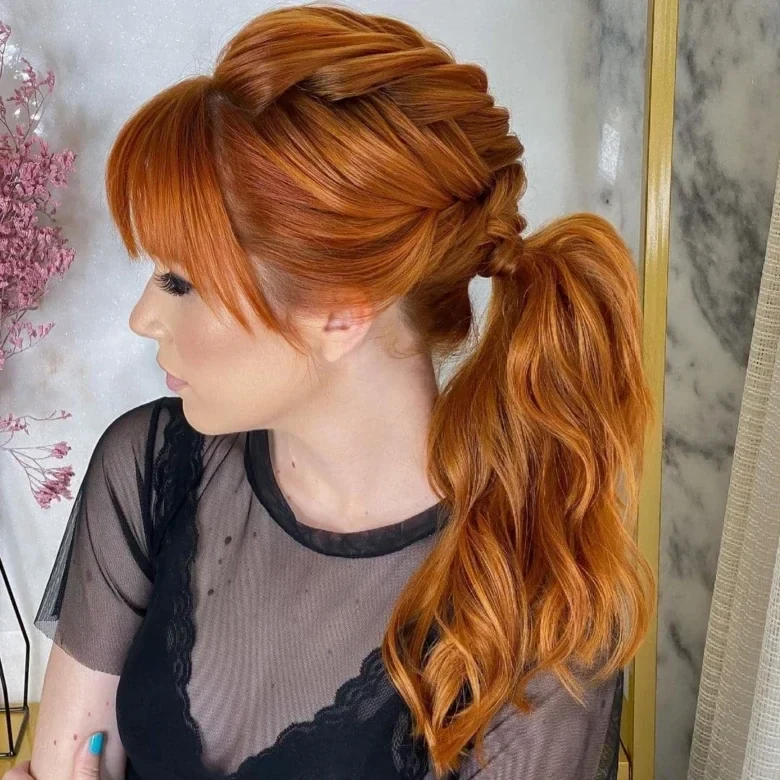
Photo credit by: glamdew.com
A high ponytail puts all the attention on the colour, and bright orange rewards that confidence. Pulled up and back, the shade reads as one bold block with no distractions, and a braided or twisted crown section adds just enough detail to keep the style from feeling plain.
This is a statement look rather than a low-maintenance one, and it suits hair with enough texture and density to hold the ponytail’s shape without slipping. Colour-safe shampoo and cooler washes help the orange hold its brightness, since vivid warm shades fade noticeably with hot water.
22. Rich Brown With a Gentle Warm Glow
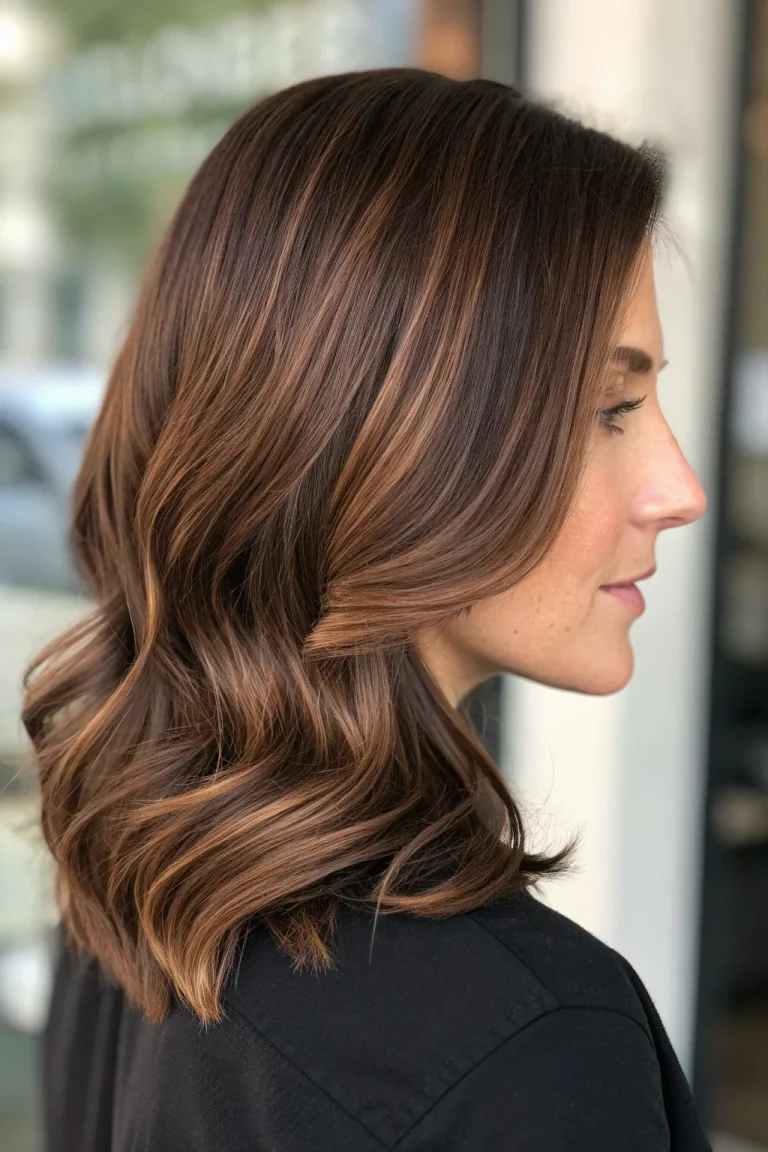
Photo credit by: herstylepulse.com
A rich brown with subtle warm undertones is the quiet achiever of this list: it does not shout, but the warmth keeps it from looking flat, and layered waves give it movement so the colour never reads as one solid block. It is the kind of shade that looks good in almost any light. The concept gets a fuller treatment in Cozy Winter Hair Color Ideas.
A gloss every six to eight weeks keeps the shine and warmth from fading into a dull neutral. Beyond that, this is one of the easiest colours here to live with — no toning shampoo required, and regrowth blends in without drama.
23. Vibrant Orange on Defined Curls
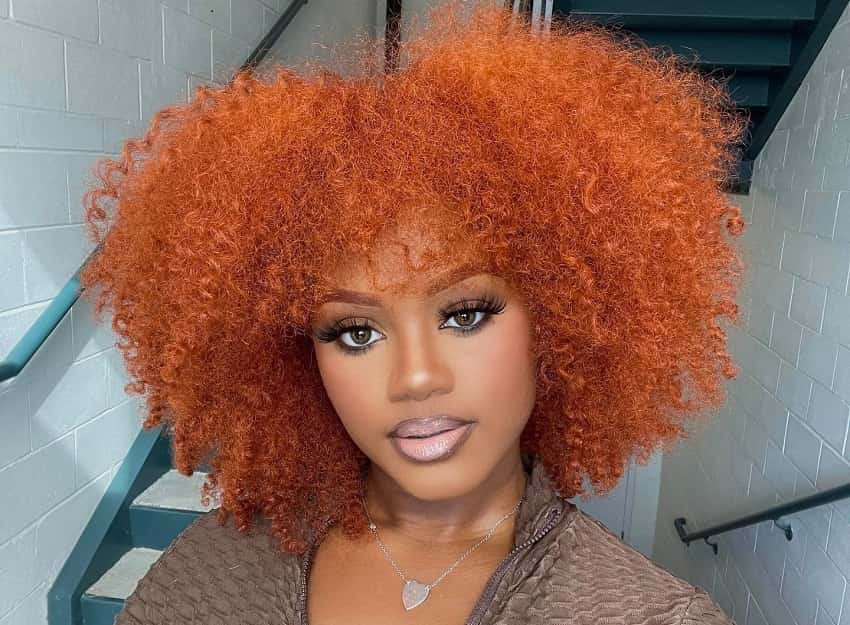
Photo credit by: fashionpoliceng.com
Vibrant orange on defined curls looks deliberate precisely because the texture breaks the colour up: each curl catches light differently, so the shade reads as dimensional rather than a flat block. A rounded, full shape gives the colour room to show its range from deep ginger to bright orange.
Curl care and colour care overlap here, since both need moisture. A curl-defining cream and a diffuser keep the shape intact, while colour-safe, sulfate-free products and cooler water slow the fade that vivid orange is prone to.
24. Soft Natural Gray in Loose Waves
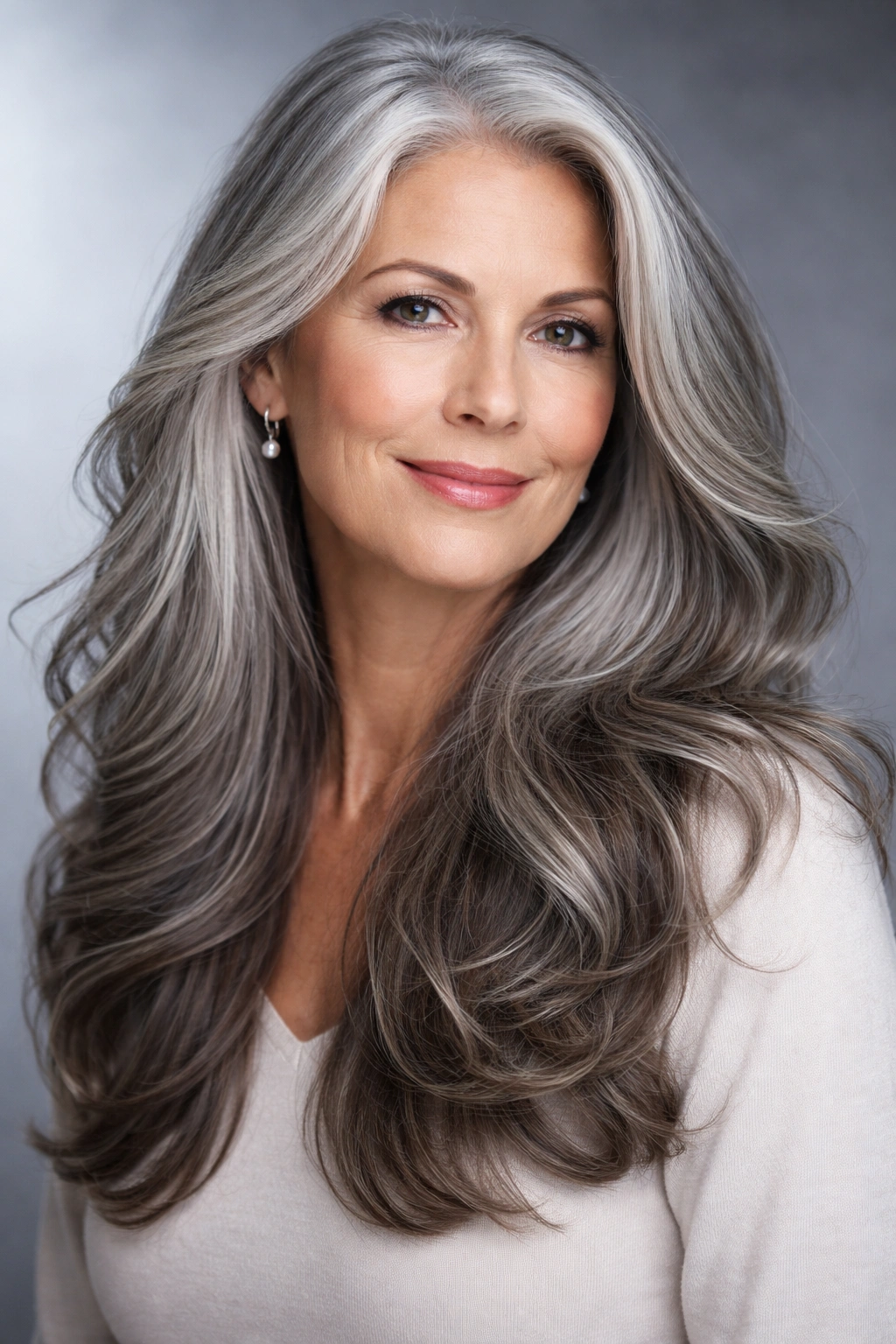
Photo credit by: hairtical.com
Natural gray in soft waves reads as glossy rather than flat when the cut has layers to give it movement. The waves stop the silver tone from settling into a dull block, and the overall effect is polished without trying to look like a fashion colour.
Achieving an even gray is salon work, since it usually requires lifting natural pigment to a pale blonde first and then depositing the gray formula. A silver-toning shampoo once a week keeps the tone from warming up, and regular trims keep the shape from going straggly.
25. Pink and Blonde Split-Dye Colour
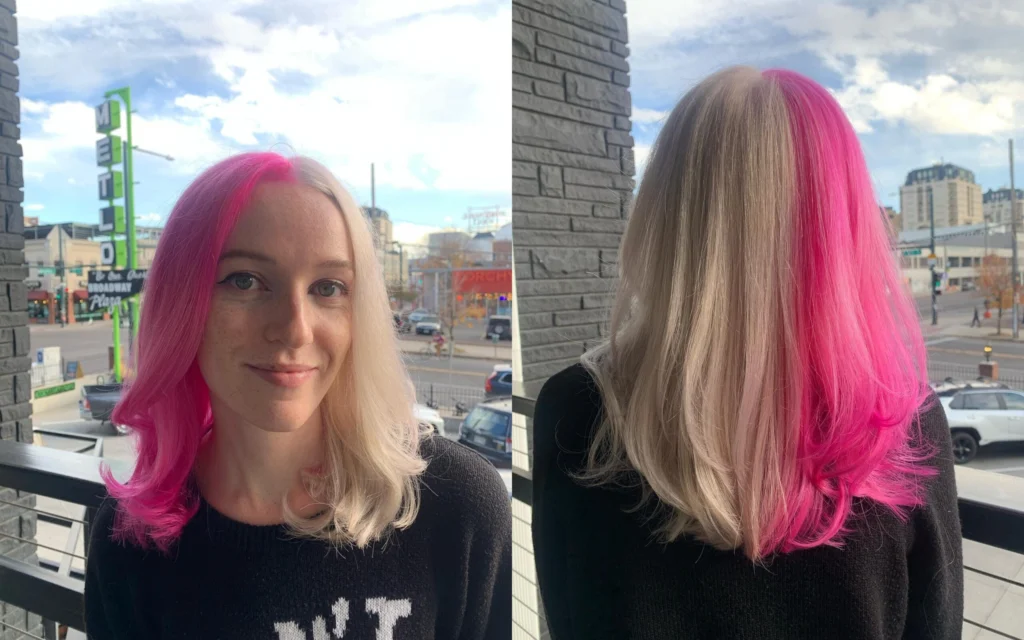
Photo credit by: pookieelife.com
A split dye — pink on one side, blonde on the other — is a bold choice with a built-in trade-off: the two colours will bleed into each other if washed together. The crisp centre line is the whole point, so keeping it sharp matters more than any styling detail.
Washing each side separately helps keep the pink from tinting the blonde, and the split needs a full salon redo every six to eight weeks to maintain that clean division. It is high-maintenance, but few colours make as immediate an impression.
26. Medium Auburn With Copper Highlights in a Layered Cut
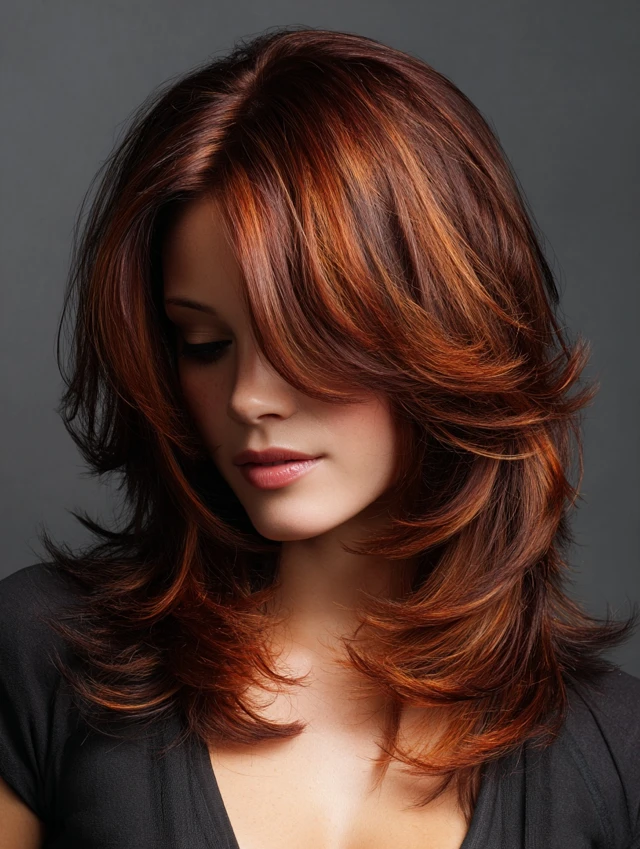
Photo credit by: cleodiva.com
A layered, medium-length cut gives auburn and copper room to work as partners rather than competitors. The auburn base supplies the depth, the copper highlights supply the light, and the layers make sure both are visible as the hair moves rather than hiding underneath. The same idea, styled another way, appears in Winter Blonde Hair Color Ideas.
A texturising spray or paste at the ends is all the styling this needs, plus a trim every six to eight weeks to keep the layers sharp. A copper gloss now and then keeps the highlights from fading into the base and losing their contrast.
27. Platinum Blonde Melted Into Soft Pink Ends
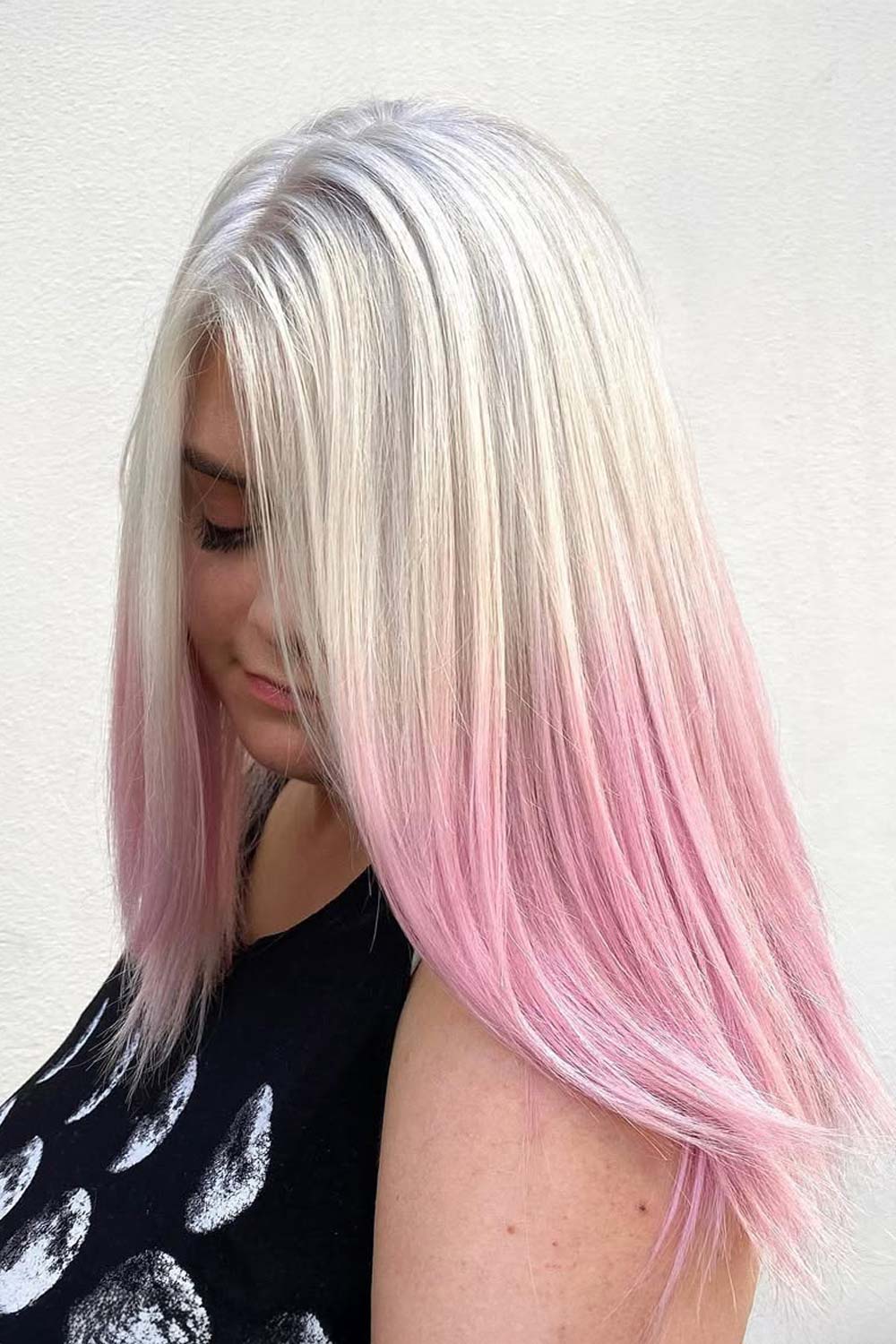
Photo credit by: glaminati.com
Platinum blonde melting into soft pink at the ends is a gentler way to wear a fashion colour: the platinum keeps the top half polished and bright, while the pink gives the lengths a playful finish that does not demand a full-head commitment. Straight, sleek hair shows the melt most clearly, since there is nothing to interrupt the gradient.
The pink ends will fade before the platinum does, so a pink colour-depositing conditioner is the simplest way to hold the balance. Toning for the platinum every four to six weeks keeps the top half from warming into the pink and muddying the contrast.
28. Dark Brown With Warm Caramel Balayage
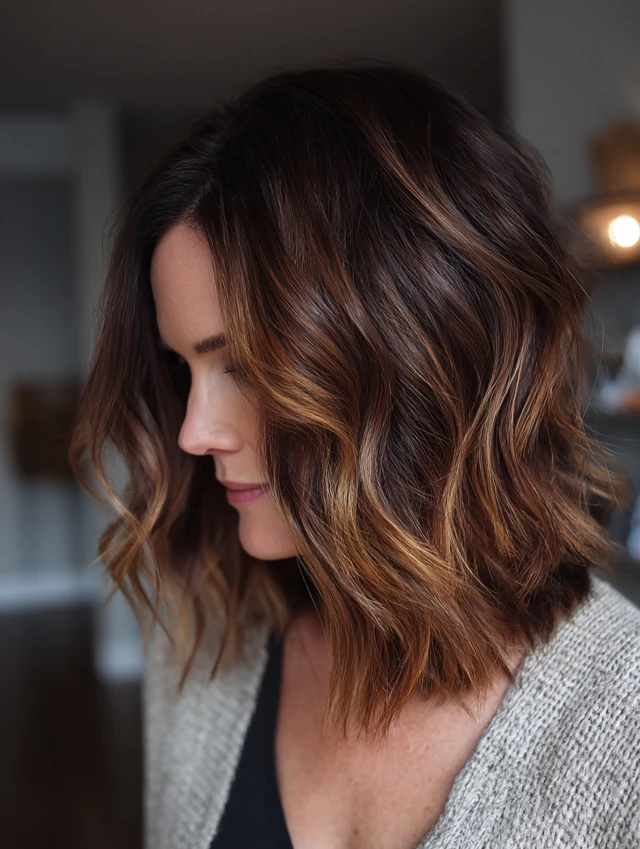
Photo credit by: yournextinspo.com
A dark brown base with warm caramel balayage is the grounding counterpart to the cooler ash version earlier in this list. The dark base keeps the look anchored, while the caramel is placed where hair naturally catches light, so the lightness feels sun-made rather than salon-made.
The grow-out here is painless, with touch-ups every ten to twelve weeks doing the job. A hydrating mask matters more than toning products for this shade, since warm caramel fades gracefully and the goal is shine rather than coolness.
29. Vivid Purple on a Choppy Bob

Photo credit by: nailspiration.com
Vivid purple all over a choppy bob is a single statement made twice: the colour is bold, and the choppy texture keeps it from looking too polished or precious. Lighter purple pieces painted through the shape stop the saturated base from going flat.
This is a salon-only colour that takes a few hours from start to finish, including the lightening needed to get purple to read vivid rather than muddy. Colour-safe shampoo and cool water are essential, since purple fades toward blue-grey faster than most vivid shades.
30. Smoky Icy Blue Bob With a Lavender Cast

Photo credit by: creativebooster.net
A chin-length bob in smoky icy blue, with the cool tone leaning lavender in some lights, is a colour that looks considered rather than loud. The slightly undone texture keeps the finish relaxed, so the blue reads as a fashion shade rather than a costume one. For more ideas in the same lane, see our Blonde Winter Hair Color Ideas.
The honest trade-off is maintenance: keeping that cool tone means a purple shampoo rotation and a toning appointment every few weeks, since blue tones shift warm quickly. The bob itself needs trimming every five to six weeks to hold its clean shape.
31. Pink Melting Into Red Ombré
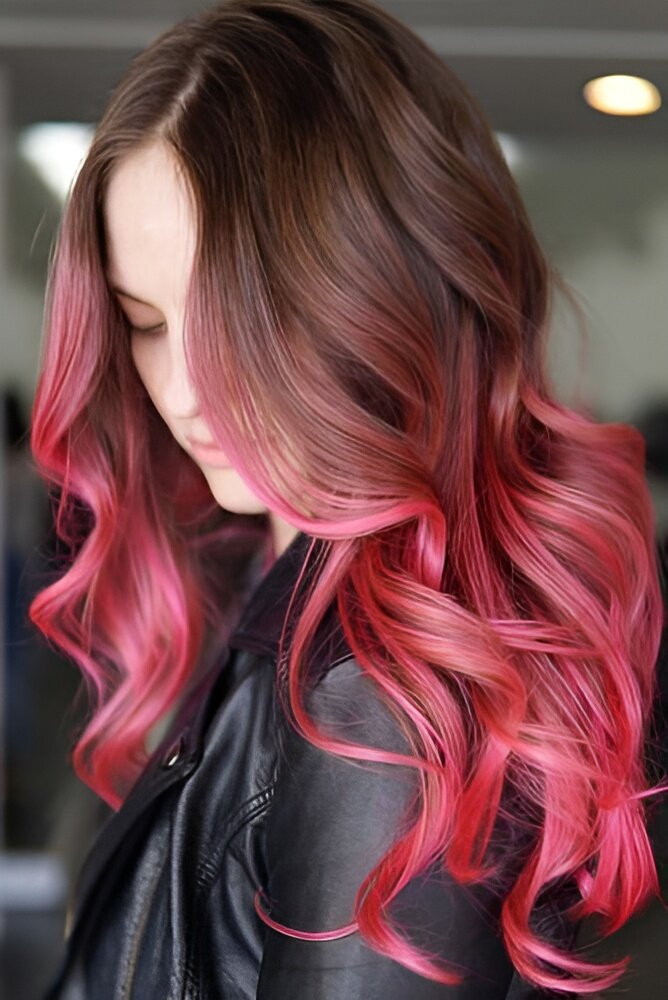
Photo credit by: 1millionideas.com
A pink-to-red ombré relies on a precise fade zone: the colourist paints the transition midway down the length, keeping the roots pink and saturating the ends in red, so the two tones meet without a hard line. On longer, wavy hair the texture helps blend the shift naturally.
Letting the hair air-dry enhances the natural wave and shows the gradient at its best. Plan a touch-up every ten to twelve weeks to keep the fade zone from drifting too far down the length as the colour softens.
32. Pink and Magenta Balayage in Waves
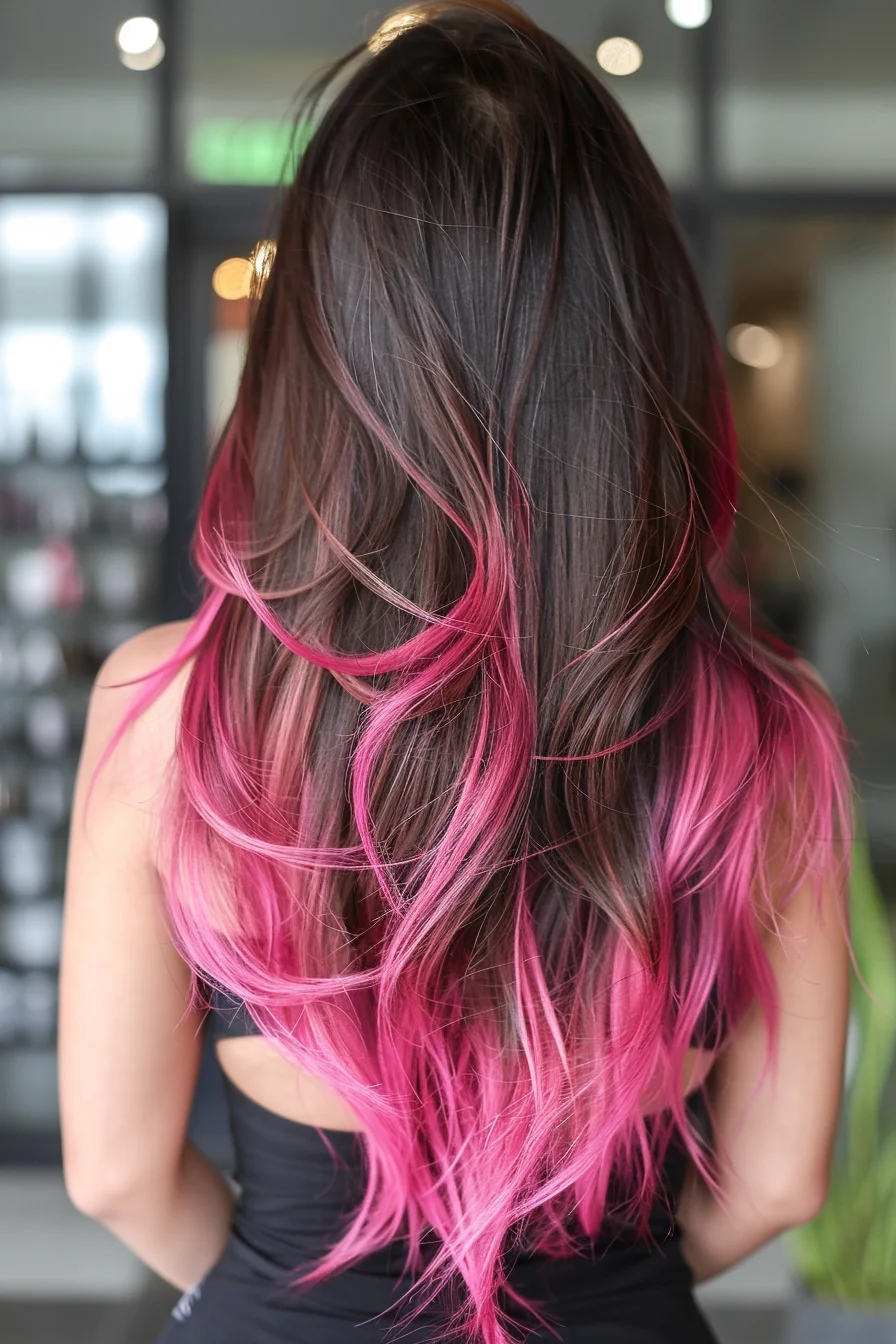
Photo credit by: gemmaetc.com
Pink and magenta balayage works best when the brighter pink sits toward the face and the deeper magenta runs through the lengths, giving dimension without a uniform stripe. On thick, wavy hair the balayage placement has plenty of surface to show, so the two tones read as layered rather than competing.
Colour-safe shampoo and cooler showers are the basics for holding this vibrancy, and a gloss every six weeks helps the pink stay punchy. Curtain-style face-framing pieces need trimming every four to six weeks so they keep their shape around the face.
33. Fiery Copper Red on Natural Waves
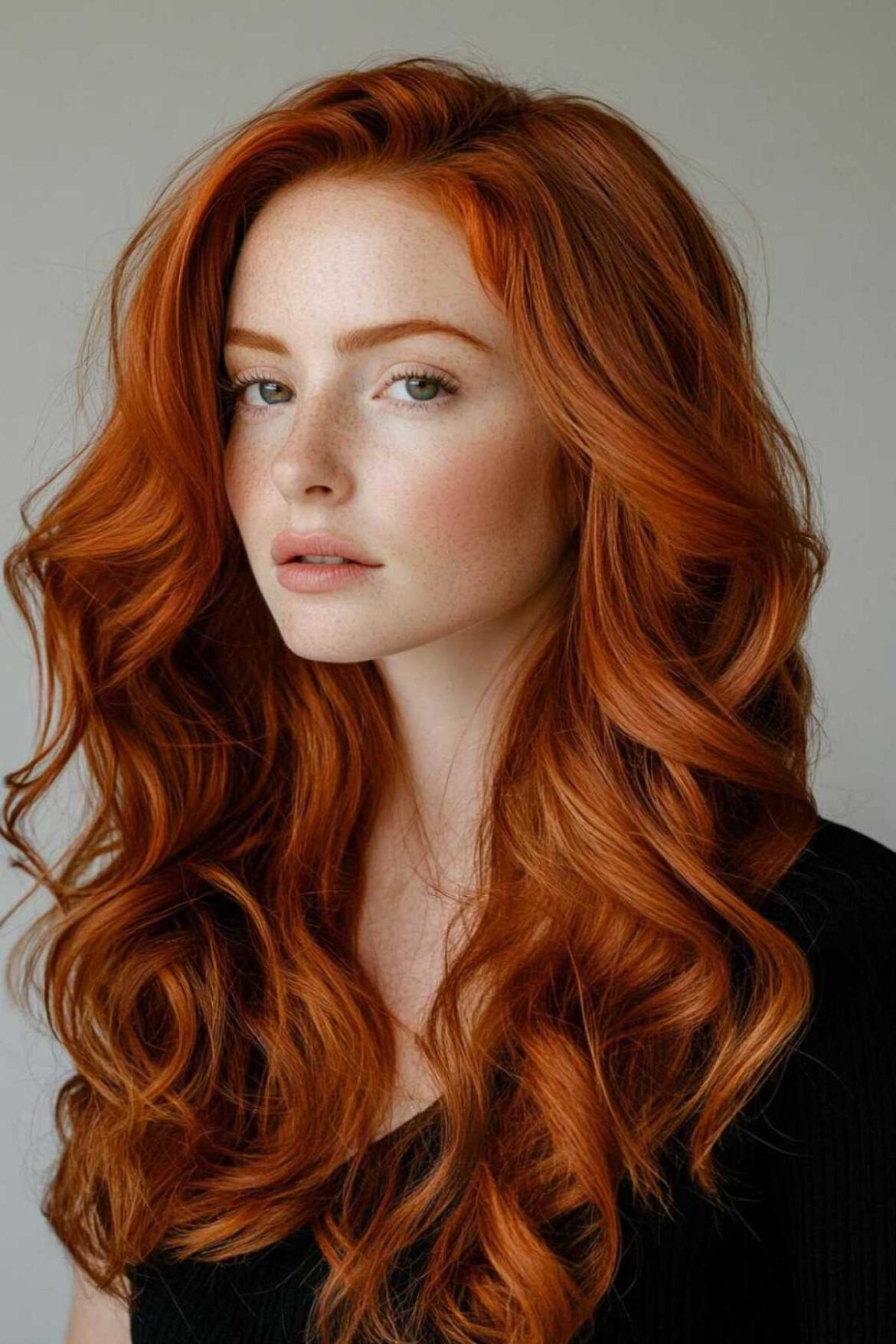
Photo credit by: tressnails.com
Fiery copper red on natural waves makes the most of texture: the copper catches light differently on each wave, so you get a dimensional effect without any highlights at all. The warmth of the shade suits the cooler months especially well, when it contrasts with grey weather and darker clothing.
Enhancing the natural wave with a sea-salt spray or a light curl cream is enough styling for this colour, since the shade does the talking. Refresh the copper tones every six to eight weeks, as fiery shades soften faster than quieter ones.
Pick the colour that fits your maintenance appetite first and your mood second — a soft balayage will forgive a missed appointment, while a vivid or pastel shade will not, and the best colour of 2027 is the one you will still enjoy at week eight.

Hi, I’m Zoey Mitchell, the creator of ChicStyle Blog.
I share simple, wearable outfit ideas, hairstyles, nail trends, and beauty tips that feel natural and easy to recreate.
This blog is where I explore everything that makes a woman feel put together and confident every day. I’m not an expert — just a woman who genuinely loves style, mixing looks, and discovering what works.
If you love effortless fashion with a personal touch, you’ll feel at home here.